
If your child plays sports, you probably already have a mouthguard in their bag. But here’s what many parents in Erdenheim don’t realize — not all mouthguards actually protect the same way. Why your kid’s mouthguard might not be protecting their teeth in Erdenheim is a question worth asking before the next game. The difference between a custom and store-bought option can mean the difference between a healthy smile and a dental emergency.
The Real Risk: Youth Sports Dental Injuries by the Numbers
Dental injuries are among the most common sports-related injuries in children. Studies show that athletes without mouthguards are 60 times more likely to suffer tooth damage. That’s not a small risk — that’s an enormous one.
The American Dental Association estimates that mouthguards prevent over 200,000 dental injuries every year in the United States. Yet many young athletes still use poorly fitted or worn-out guards. High-contact sports like football, hockey, and lacrosse carry the highest risk. But even basketball, soccer, and gymnastics lead to thousands of dental injuries annually.
A chipped or knocked-out tooth isn’t just painful. It can require costly, time-consuming treatment to repair. In some cases, damage affects teeth that are still developing. Early intervention — and prevention — matters far more than most families expect.
Why Your Kid’s Mouthguard Might Not Be Protecting Their Teeth in Erdenheim
Not every mouthguard on the market offers real protection. The biggest issue is fit. A loose or bulky guard shifts during impact — and that movement reduces its ability to absorb force effectively.
Most store-bought mouthguards fall into two categories: stock guards and boil-and-bite guards. Stock guards come in one shape and rarely fit well. Boil-and-bite guards offer a slightly better fit but still fall short of the precision a custom guard provides.
Here’s what commonly goes wrong with over-the-counter options:
- They don’t conform precisely to your child’s unique bite
- They can feel uncomfortable, causing kids to remove them mid-game
- They wear down quickly and lose protective shape
- They may not cover all vulnerable teeth adequately
- They offer minimal cushioning against lateral (side) impacts
Children’s mouths change rapidly as they grow. A mouthguard that fit well last season may already be too small or misshapen. This is something Dr. Jill Moniz and the team at The Schiff & Moniz Dental Group watch for carefully during checkups.
Custom vs. Store-Bought: What the Research Actually Shows
Custom mouthguards are made from a precise impression of your child’s teeth. That means every contour, every curve, and every bite point is accounted for. The result is a guard that stays in place even during intense physical contact.
Research consistently shows that custom-fitted mouthguards provide superior force distribution. When impact occurs, the guard spreads the pressure across a wider surface area. This reduces the chance of tooth fracture, jaw injury, and concussion.
Store-bought guards, on the other hand, often create pressure points. Instead of absorbing impact evenly, they concentrate force — sometimes making injuries worse. Parents are often shocked to learn this when they come to us after an incident.
The benefits of a professionally fitted custom mouthguard include:
- Precise fit that stays secure during movement
- Better protection against tooth fractures and knockouts
- Improved breathing and speech — kids are more likely to wear them
- Durable materials that last an entire sports season
- Ability to accommodate braces or growing teeth
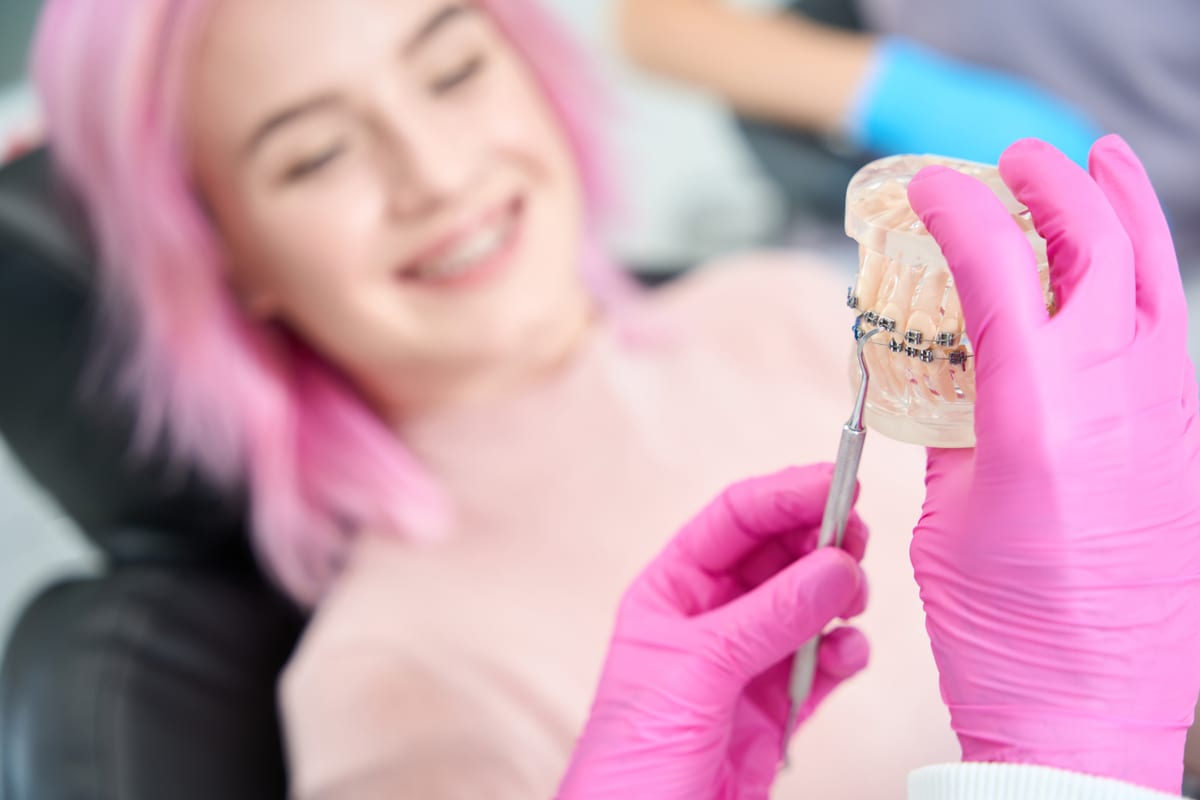
For children undergoing orthodontic treatment, a proper guard is especially critical. A standard store-bought guard simply cannot accommodate brackets and wires safely.
When a Dental Injury Happens Anyway: What to Do
Even with the best protection, accidents happen. Knowing what to do in a dental emergency can make a huge difference in the outcome. Time is absolutely critical when a tooth is knocked out.
If your child loses a permanent tooth, pick it up by the crown — never the root. Rinse it gently with water, but do not scrub it. Try to place it back in the socket if possible, or keep it in milk while you seek care immediately.
The team at The Schiff & Moniz Dental Group offers Emergency Dentistry Erdenheim families can count on when these moments happen. Reaching our office quickly gives your child the best chance of saving a damaged or displaced tooth. Don’t wait — every minute matters in a true dental emergency.
Sports injuries can also affect the appearance of teeth even when they aren’t knocked out. Chips, cracks, and discoloration are common results of impact injuries. In those cases, our team can discuss restorative and Cosmetic Dentistry Erdenheim options to restore your child’s smile fully.
How to Get a Custom Mouthguard at The Schiff & Moniz Dental Group
Getting a custom mouthguard is a simple, quick process. It starts with a visit to our Erdenheim practice, where Dr. Jill Moniz or one of our dental professionals takes a precise impression of your child’s teeth. This impression goes to a dental lab where the guard is fabricated to exact specifications.
The entire process typically takes just two appointments. The first appointment is for impressions and takes only a few minutes. The second appointment is for the fitting, where we make sure the guard sits comfortably and securely.
We also check that the guard doesn’t interfere with your child’s breathing or speaking. A guard that’s comfortable to wear is a guard that actually gets worn. That’s the most important thing — consistent use is what prevents injury.
We recommend replacing custom mouthguards every one to two years, or sooner if your child is growing quickly. We assess fit during regular checkups and let you know when it’s time for an update.
Conclusion: Don’t Leave Your Child’s Smile to Chance
Your child works hard on the field, the court, and the ice. Their smile deserves the same level of dedication. A store-bought mouthguard might feel like enough — but the evidence says otherwise. Investing in a properly fitted custom guard is one of the most effective things you can do to protect their oral health during sports season. Dr. Jill Moniz and the entire team at The Schiff & Moniz Dental Group are here to make sure every young athlete in Erdenheim has the protection they need. Book Now to schedule your appointment with our team.
Frequently Asked Questions
At what age should my child start wearing a mouthguard?
Children should begin wearing a mouthguard as soon as they participate in contact or collision sports. This applies to kids as young as five or six years old. Even children who still have baby teeth can benefit from protection during high-risk activities.
Can my child wear a mouthguard with braces?
Yes, and it’s especially important that they do. Standard store-bought mouthguards are not designed to fit over braces safely. A custom mouthguard made by your dentist can be crafted to fit comfortably over orthodontic brackets and wires, protecting both the teeth and the soft tissue inside the mouth.
How long does a custom mouthguard last?
Most custom mouthguards last one to two sports seasons with proper care. Children who are actively growing may need replacements more frequently. Dr. Jill Moniz evaluates fit at each checkup and will let you know when a new guard is needed.
How do I clean my child’s mouthguard?
Rinse the mouthguard with cool water before and after each use. Gently brush it with a soft toothbrush and mild soap occasionally. Store it in a ventilated case and keep it out of direct sunlight or hot cars, which can warp the material and change the fit.
What sports require a mouthguard for children?
Football, hockey, lacrosse, and boxing require mouthguards in most youth leagues. However, dentists also strongly recommend them for basketball, soccer, baseball, gymnastics, and skateboarding. Any sport where a fall or contact with another player is possible puts teeth at risk.