
Teeth whitening sensitivity is one of the most common concerns patients share with us at The Schiff & Moniz Dental Group. If you’ve ever winced after a whitening treatment, you’re not alone. Understanding teeth whitening sensitivity — why it happens and how to stop it in Erdenheim — can make all the difference in your comfort and confidence. Dr. Jill Moniz and our team are here to walk you through everything you need to know.
Why Does Teeth Whitening Cause Sensitivity?
Whitening products use peroxide-based bleaching agents to break up stains on your enamel. These agents work by opening tiny pores called dentinal tubules. When those tubules are open, hot, cold, and sweet sensations can reach the nerve more easily.
This is why you may feel a sharp, brief zing after whitening. The sensation is temporary in most cases. However, some patients experience more intense discomfort depending on their starting tooth condition.
Several factors increase your risk of sensitivity, including:
- Thin or worn enamel
- Existing gum recession
- Teeth that are already sensitive before treatment
- Using high-concentration whitening products too frequently
- Leaving whitening trays on longer than recommended
Dr. Moniz always reviews your dental history before recommending any whitening method. This step helps us predict and prevent sensitivity before it starts.
How Dentists Minimize Whitening Sensitivity in Erdenheim
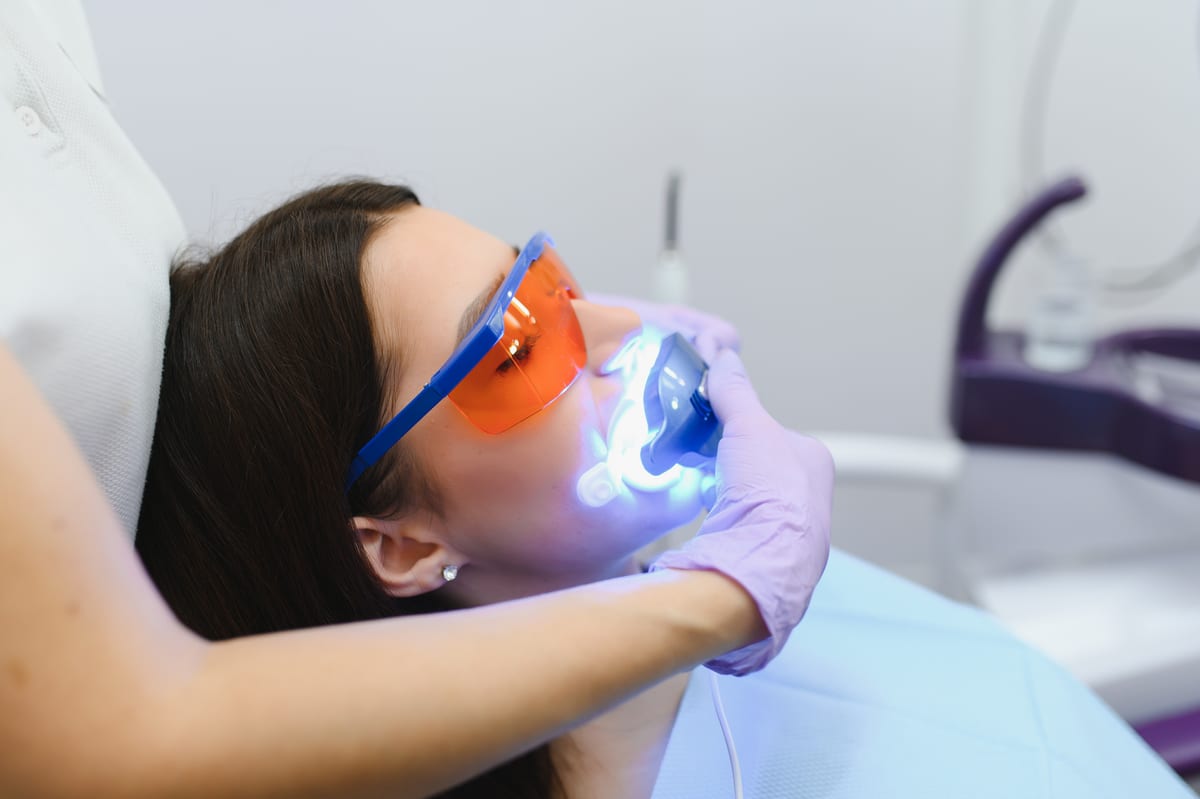
Professional whitening at The Schiff & Moniz Dental Group is designed with your comfort in mind. Unlike over-the-counter kits, in-office treatments are carefully monitored. Dr. Moniz controls the concentration level and application time precisely.
We take several steps to protect sensitive patients during whitening:
- Applying a desensitizing gel before and after treatment
- Using protective barriers to shield gum tissue
- Recommending lower-concentration trays for at-home follow-up
- Scheduling treatments in spaced intervals to reduce cumulative irritation
- Pre-treating with fluoride to strengthen enamel before whitening begins
These precautions make a significant difference. Most patients who try professional whitening after a bad experience with store-bought kits are pleasantly surprised by how manageable the process feels.
We also assess whether sensitivity signals something deeper. Occasionally, discomfort points to an underlying issue like a cavity or Emergency Dentistry Erdenheim need. Catching these issues early protects both your comfort and your long-term oral health.
What You Can Do at Home to Reduce Sensitivity
Managing whitening sensitivity doesn’t stop when you leave our office. Your daily habits play a big role in how you feel during and after treatment. Dr. Moniz recommends a few straightforward strategies to stay comfortable at home.
Start by switching to a sensitivity toothpaste at least two weeks before your whitening appointment. These toothpastes contain potassium nitrate or stannous fluoride. Both ingredients help calm the nerve pathways inside your teeth.
During your whitening course, avoid foods and drinks that trigger sensitivity, such as:
- Ice-cold beverages
- Very hot coffee or tea
- Acidic fruits like citrus and tomatoes
- Sugary sweets
After whitening, give your teeth 24 to 48 hours before reintroducing these items. Use a soft-bristled toothbrush and gentle strokes during this recovery window. Small adjustments at home can dramatically reduce your discomfort.
If sensitivity persists beyond 72 hours, contact our office right away. Prolonged sensitivity may indicate an issue that needs professional attention. Our team is always available to help patients in Erdenheim feel their best.
Is Professional Whitening Safer Than At-Home Kits for Sensitive Teeth?
This is one of the questions Dr. Moniz hears most often. The short answer is yes — for most patients with sensitivity concerns, professional whitening is the safer choice. Here’s why.
Over-the-counter whitening strips and trays use a one-size-fits-all approach. There is no customization for your unique enamel thickness, gum health, or sensitivity level. This makes it easy to over-expose teeth to bleaching agents without realizing it.
Professional whitening is tailored to you. Dr. Moniz selects the right product strength for your specific needs. She also monitors your response throughout the treatment so adjustments can be made in real time.
Custom-fitted trays provided by our office also reduce gum irritation. Store-bought trays often allow gel to leak onto the gums, causing unnecessary inflammation and added sensitivity. A precise fit eliminates this problem entirely.
Patients who have children undergoing dental care may already know our team through our family-friendly approach. We apply the same attentive, personalized care to every service, from Pediatric Dentistry Erdenheim to cosmetic treatments for adults.
When Should You Wait Before Whitening?
Not every patient is ready for whitening right away. Dr. Moniz recommends addressing certain dental issues first. Whitening on compromised teeth can worsen sensitivity rather than improve your smile.
You may need to wait if you have:
- Untreated cavities
- Cracked or fractured enamel
- Active gum disease
- Recent dental restorations like crowns or veneers
Whitening agents do not change the color of crowns or veneers. If whitening is done before these restorations are placed, color-matching becomes much easier. Timing your whitening correctly makes a real difference in your final result.
Dr. Moniz will always conduct a thorough exam before recommending whitening. This protects you from discomfort and ensures you get the most out of your treatment.
Conclusion: Comfort and Confidence Start Here
Teeth whitening sensitivity is manageable — especially with the right guidance and professional support. At The Schiff & Moniz Dental Group in Erdenheim, PA, we believe every patient deserves a bright, comfortable smile. Dr. Jill Moniz takes the time to understand your sensitivity concerns and build a whitening plan that works for your unique smile. Book Now to schedule your appointment with our team.
Frequently Asked Questions
How long does teeth whitening sensitivity last?
Sensitivity after whitening typically lasts between 24 and 72 hours. Most patients notice significant improvement within a day. If sensitivity continues beyond three days, contact your dentist for an evaluation.
Can I whiten my teeth if I already have sensitive teeth?
Yes, but you need professional guidance first. Dr. Moniz can assess your enamel and gum condition, then recommend a lower-concentration treatment or a sensitivity protocol to minimize discomfort throughout the process.
Does using sensitivity toothpaste really help before whitening?
It does. Using a toothpaste with potassium nitrate or stannous fluoride for two weeks before whitening helps block dentinal tubules and calm nerve activity. This preparation step significantly reduces post-treatment discomfort for most patients.
Is in-office whitening more effective than store-bought kits?
In-office whitening typically delivers faster and more dramatic results because professional-grade bleaching agents are used under controlled conditions. The added benefit for sensitive patients is that the process is monitored and adjusted throughout, reducing the risk of irritation.
What foods should I avoid after teeth whitening?
For the first 24 to 48 hours after whitening, avoid very hot or cold drinks, acidic foods like citrus and tomatoes, dark-colored beverages like coffee and red wine, and sugary snacks. These items can worsen sensitivity and compromise your whitening results during the recovery window.