

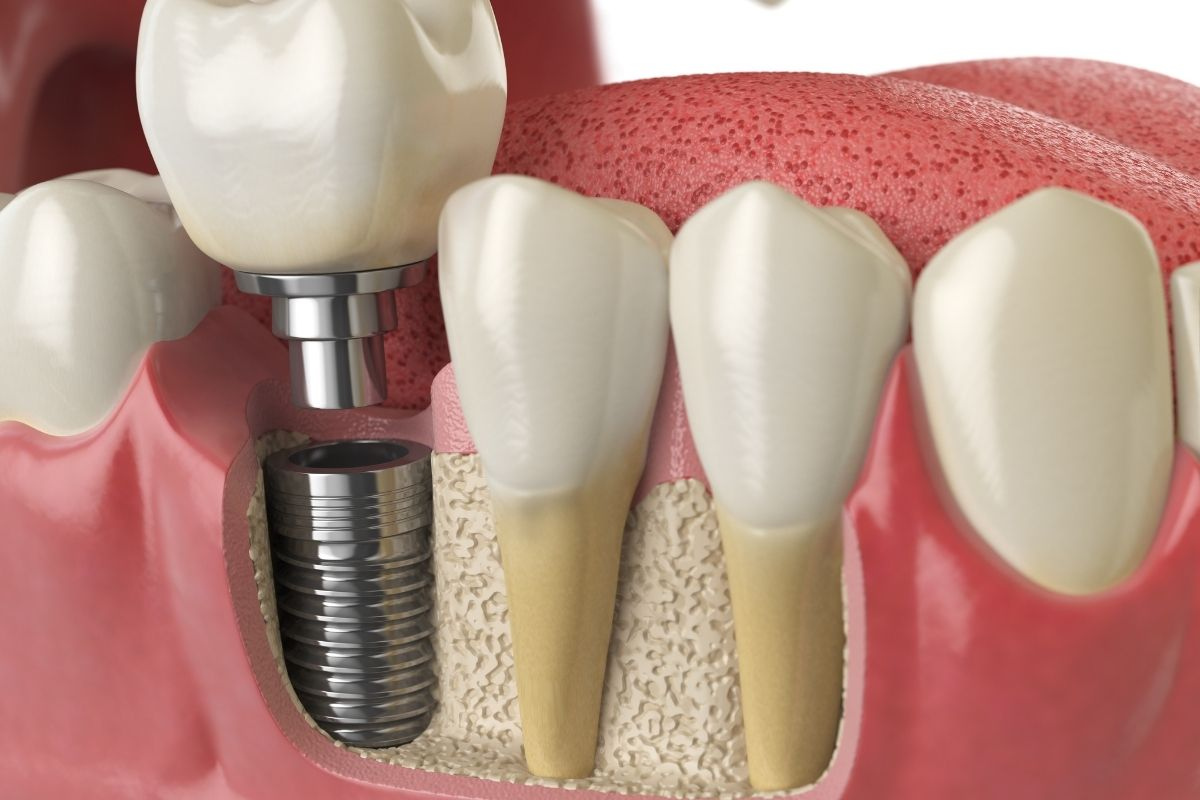
If you’ve lost a tooth or multiple teeth, dental implants can be a game-changer in restoring your smile. Unlike traditional dentures or bridges, dental implants are a long-lasting solution that mimics the look and feel of your natural teeth. They are surgically placed in the jawbone, offering a stable foundation for crowns or bridges. While implants are designed to last, their longevity is influenced by various factors, including how well they’re cared for.
In this post, we’ll discuss how long dental implants typically last, the factors that affect their lifespan, and the best practices for ensuring your implants stay in top condition.
What Are Dental Implants?
Dental implants are small titanium posts that are surgically placed into the jawbone to replace missing teeth. Once the implant integrates with the bone through a process called osseointegration, a custom-made crown or bridge is placed on top, completing the restoration. Unlike dentures, which rest on the gums, or bridges, which are anchored to adjacent teeth, dental implants stand alone and provide a more permanent solution.
The titanium material is biocompatible, meaning it fuses with the bone over time, creating a stable and durable base. This feature makes implants a preferred option for those looking for a long-lasting restoration. The success rate for dental implants is incredibly high, with studies showing that they have a success rate of 95-98% when placed correctly by a professional dentist.
Implants are not only durable but also offer superior aesthetics and functionality compared to other tooth replacement options. When cared for properly, dental implants can function just like natural teeth for many years, if not a lifetime.
How Long Do Dental Implants Last?
Dental implants in Erdenheim are a long-term solution, and with proper care, they can last anywhere from 20 to 25 years, or even longer. However, several factors influence their longevity:
1. Quality of the Implant and Materials Used
The materials used to create the implant and the crown play a significant role in the overall lifespan of the restoration. High-quality titanium implants and porcelain crowns tend to last longer and perform better over time.
2. Overall Health of the Patient
A patient’s oral health directly impacts the longevity of dental implants. Good oral hygiene, regular brushing, flossing, and the avoidance of harmful habits such as smoking can greatly enhance the lifespan of your implant. Smokers are at higher risk for implant failure due to the negative impact smoking has on the healing process and bone integration.
3. The Skill of the Dentist and the Implant Placement
Choosing a professional dentist who specializes in implant procedures is essential. Proper placement of the implant in the jawbone is crucial for its long-term success. Any mistakes made during the surgery, such as incorrect positioning or failure to account for bone density, can negatively affect the implant’s lifespan.
4. Regular Maintenance and Check-ups
Dental implants require the same care as natural teeth. Regular check-ups and professional cleanings are essential to monitor the condition of the implant and prevent complications such as gum disease, which can shorten the implant’s lifespan.
With these factors in mind, implants can be a durable and reliable solution that significantly improves your quality of life, giving you a natural, functional smile for many years.
Importance of Proper Care for Dental Implants
Taking good care of your dental implants is key to ensuring they last for as long as possible. Proper oral hygiene is paramount in preventing infections and ensuring the implant remains in place. Here are a few tips for maintaining your implants:
Brushing and Flossing
Brush your implants just like your natural teeth, using a soft-bristled toothbrush and non-abrasive toothpaste. Flossing is just as important, but it’s essential to use floss designed for implants or special implant cleaning tools. Make sure to floss gently around the implant to avoid damaging the surrounding gum tissue.
Regular Dental Checkups and Cleanings
Even though dental implants are durable, regular visits to your dentist are necessary to ensure they’re in good condition. The Schiff & Moniz Dental Group recommends scheduling cleanings at least twice a year to monitor the health of your implants and surrounding gums.
Avoid Hard Foods and Habits
One of the key reasons dental implants can fail prematurely is due to excessive pressure or impact. Avoid chewing on hard foods like ice or hard candies, which can damage the implant or crown. Additionally, if you smoke or grind your teeth, these habits can shorten the life of your implants. If you grind your teeth at night, consider wearing a mouthguard to protect your implants from excessive wear.
Bone Health
Bone density is another crucial factor in maintaining your implant’s stability. If you have a history of bone loss, your dentist may recommend additional treatments, such as bone grafts, to strengthen the jawbone before the implant placement.
By following these care instructions, you can significantly extend the life of your dental implants in Erdenheim and continue enjoying the benefits of a healthy, functional smile.
Signs That Your Dental Implant Needs Attention
While implants are designed to last, it’s important to be aware of signs that may indicate a problem with your implant. If you notice any of the following symptoms, it’s essential to seek professional advice from The Schiff & Moniz Dental Group:
Pain or Discomfort
Occasional discomfort after implant placement is normal, but persistent pain could signal an issue, such as an infection or improper fit.
Implant Loosening
If your implant becomes loose or wobbly, it could indicate that the implant is failing to integrate with the bone, or there may be bone loss around the implant site.
Swelling or Infection
Swelling, redness, or discharge around the implant site can be signs of an infection. It’s essential to seek treatment right away to prevent complications.
Changes in Bite or Functionality
If you experience difficulty chewing or speaking, or if your bite feels off, it could be a sign that the implant is not functioning properly. A quick check-up with your dentist can help diagnose the problem.
Dental implants are a durable and long-lasting solution for replacing missing teeth, with proper care ensuring they can last for decades. By following a good oral hygiene routine, avoiding harmful habits, and keeping up with regular dental visits, you can maintain the health of your implants and continue enjoying their benefits.
At The Schiff & Moniz Dental Group, we’re committed to providing the highest level of care for your dental implants. If you’re considering implants or have questions about maintaining your current implants, don’t hesitate to schedule a consultation with us today. Our professional team is here to ensure your smile lasts a lifetime.
Questions People Ask About Dental Implants
How can I ensure the long-term success of my dental implants?
To ensure your implants last, maintain good oral hygiene, avoid smoking, visit your dentist regularly for checkups, and follow all post-surgery care instructions.
Will I need to replace my crown eventually?
While the implant itself is permanent, the crown placed on top may need replacing after 10-15 years due to wear and tear.
How do I know if I’m a good candidate for dental implants?
A good candidate for dental implants should have healthy gums, sufficient bone density, and a commitment to good oral hygiene.
Can I get dental implants if I smoke?
Smoking can increase the risk of implant failure, so it’s best to quit or reduce smoking to ensure the success of your implant.
Can dental implants affect my speech?
Initially, some patients may experience changes in speech, but over time, once the implant is fully healed, it will feel as natural as their own teeth.