
As we age, it’s natural to face some dental challenges. For many seniors, missing teeth can lead to difficulty eating, speaking, and even a loss of self-confidence. If you’re considering dental implants but have concerns about age, health conditions, or the cost, you’re not alone. Dental implants can be an ideal solution for seniors, but it’s important to understand the special considerations involved in the process.
In this blog, we’ll explore the factors seniors need to consider when opting for dental implants, from health conditions to recovery, so you can make an informed decision for your smile and well-being.
Understanding Dental Implants
What are Dental Implants?
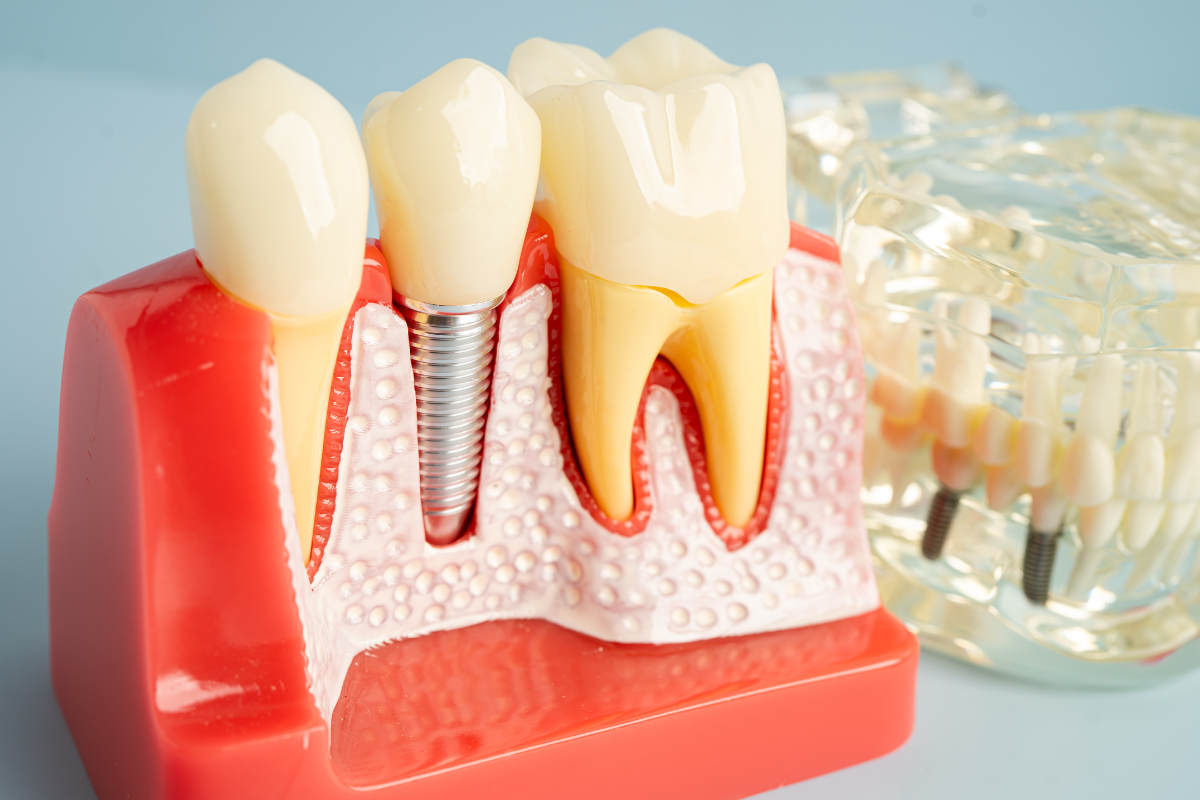
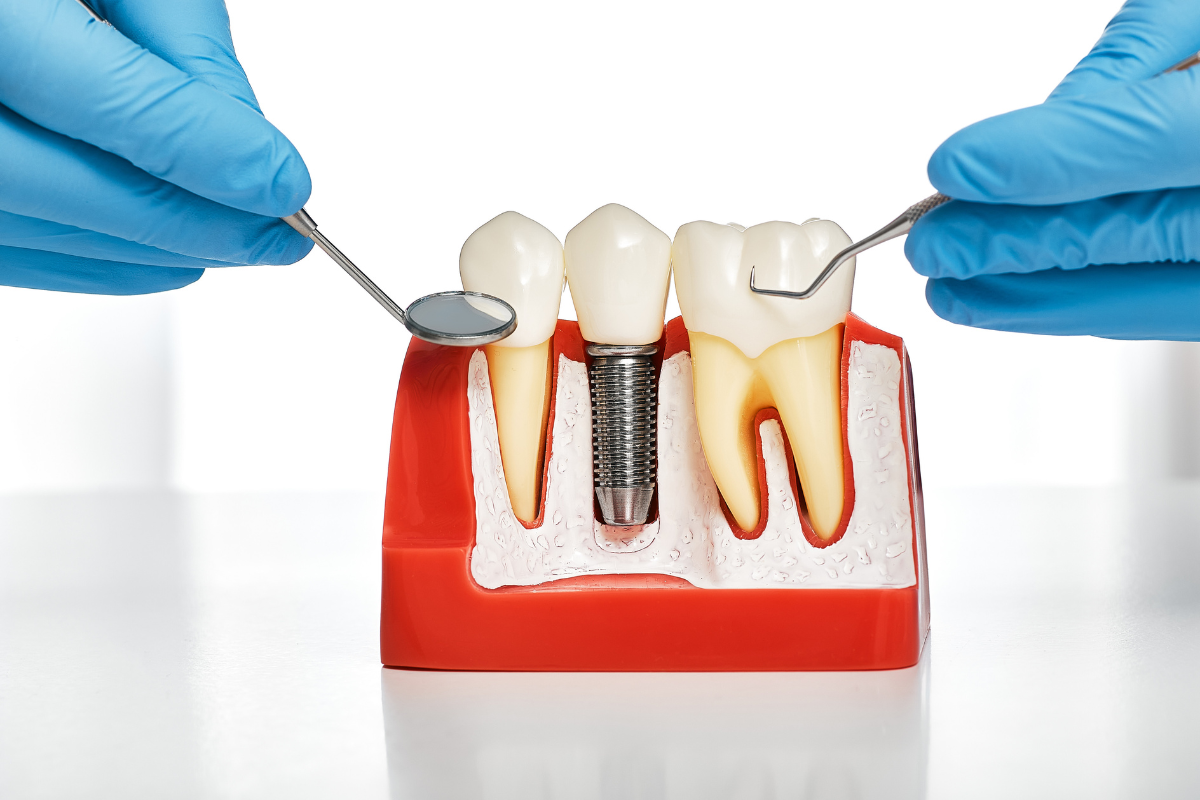
Dental implants are titanium posts that are surgically placed into the jawbone to replace missing teeth. Unlike dentures or bridges, implants act as a permanent replacement, providing a stable foundation for artificial teeth. Once placed, the implant fuses with the bone in a process called osseointegration, ensuring that the new teeth are firmly in place.
Why Seniors Choose Dental Implants
Implants offer numerous benefits for seniors, particularly when compared to other tooth replacement options. First, they restore full functionality, allowing you to eat a wide variety of foods without the discomfort or worry of dentures slipping. They also improve speech, as missing teeth can affect how you enunciate words. For many seniors, implants offer a natural-looking solution that can boost self-esteem and confidence.
Additionally, because dental implants in Erdenheim are designed to last a lifetime with proper care, they’re often seen as a long-term investment in oral health and quality of life.
Key Considerations for Seniors
Health Conditions
Certain health conditions can impact the success of tooth implants. For example, seniors with diabetes may experience slower healing times and are more prone to infection. Similarly, individuals with osteoporosis, a condition where bones become brittle, may have weaker jawbones, which can affect the stability of implants.
Heart disease, especially if coupled with blood thinners, may also require special attention before and after the procedure. It’s essential to discuss your health history with your dentist to ensure that any underlying conditions are managed appropriately during the process.
Bone Density
Bone density is a critical factor for successful implants. A strong, healthy jawbone is necessary for the implant to fuse properly and remain stable. Seniors who have faced bone loss due to aging or prolonged tooth loss may require bone grafting procedures to rebuild the jawbone before implants can be placed.
While this might add some time to the overall treatment, it ensures the long-term success and durability of your implants.
Medications
Many seniors take medications that could impact their oral health or the healing process after dental implant surgery. For example, blood thinners, often prescribed to seniors with heart conditions, can increase the risk of bleeding during the procedure.
Osteoporosis medications may affect bone healing. Be sure to inform your dentist about all the medications you’re taking, as they can adjust your treatment plan to ensure a smooth and safe procedure.
Age and Healing
The healing process in seniors may take a bit longer compared to younger patients. As we age, our body’s ability to regenerate tissue and bone slows down, which can affect the recovery time after surgery.
While implants are highly successful, seniors may need a more tailored post-operative care plan. Your dentist will monitor your healing closely, ensuring the implants integrate into the bone properly and that any necessary adjustments are made.
Is Dental Implant Surgery Safe for Seniors?
Safety Concerns
Dental implant surgery is generally safe for seniors, but as with any surgery, there are some risks involved. The most common concerns include infection, bleeding, and issues with the anesthesia.
However, these risks are minimal, especially when the procedure is performed by a professional dental team. At Schiff & Moniz Dental Group, we ensure that all our patients are fully informed and comfortable throughout the process.
Professional Surgeons
Choosing a dentist with experience in treating seniors is crucial. Adept professionals understand the unique challenges that older patients may face and will develop a treatment plan that addresses these concerns. They will also work closely with your physician to ensure that any underlying health conditions are properly managed.
At Schiff & Moniz Dental Group, our team is trained in providing top-notch care for patients of all ages, and we specialize in dental implants in Erdenheim for seniors, ensuring a smooth, safe, and successful procedure.
Benefits of Dental Implants for Seniors
Improved Functionality
One of the key benefits of tooth implants is the restoration of full chewing ability. For seniors, this means being able to enjoy their favorite foods again, whether it’s a crunchy apple or a chewy steak.
Unlike dentures, which can slip or cause discomfort, implants are securely anchored in place, allowing you to eat, speak, and smile without worry.
Increased Comfort and Confidence
Missing teeth can affect your confidence, but implants can change that. Implants look and feel like natural teeth, so you can smile confidently again. They also eliminate the discomfort that often comes with dentures, such as the need for adhesives or the risk of irritation.
Implants provide a secure, long-lasting solution that helps you feel better about your appearance and your oral health.
Long-Term Value
Dental implants offer incredible long-term value. While the initial cost may be higher than alternatives like dentures, implants can last a lifetime with proper care.
This means fewer replacements and maintenance costs over the years, making implants a worthwhile investment in your overall health and quality of life.
Post-Procedure Care and Recovery
What to Expect During Recovery
After implant surgery, seniors can expect a recovery period of several weeks to a few months. During this time, the implant will fuse with the jawbone. You may experience some swelling, discomfort, or bruising, but these symptoms typically subside within a few days.
It’s important to follow your dentist’s post-op instructions carefully to ensure proper healing. Regular follow-up visits will be scheduled to monitor progress and ensure everything is healing as expected.
Maintaining Oral Health
Maintaining good oral hygiene is crucial after receiving dental implants. Regular brushing, flossing, and professional cleanings will help keep your implants and gums healthy.
Your dentist will provide personalized advice on how to care for your implants and ensure they last for years to come. Staying on top of routine check-ups will allow any issues to be addressed early on, ensuring the long-term success of your implants.
In conclusion, dental implants offer seniors an effective and permanent solution to tooth loss, improving both functionality and confidence. However, it’s essential to consider factors like health conditions, bone density, and medication when deciding if implants are right for you.
At Schiff & Moniz Dental Group, we specialize in providing personalized care for seniors, ensuring that every patient receives the best treatment suited to their needs. If you’re a senior considering dental implants, contact us today to schedule a consultation and discover how we can help restore your smile and quality of life.
Frequently Asked Questions about Dental Implants
Are there any restrictions after dental implant surgery?
You should avoid hard or sticky foods, smoking, and vigorous physical activity for the first few weeks after surgery to ensure proper healing.
How long does the healing process take after dental implants?
It usually takes 3-6 months for the implants to fully fuse with the jawbone. After this, the replacement teeth can be placed.
Can dental implants improve my speech?
Yes, missing teeth can affect speech, but implants restore your ability to speak clearly and confidently, just like with natural teeth.
Are dental implants noticeable?
No, dental implants look and feel like natural teeth, making them virtually indistinguishable from your original teeth.
Can I eat normally after getting dental implants?
You may need to follow a soft food diet for the first few weeks after surgery. Once healed, you can eat normally, just like with natural teeth.