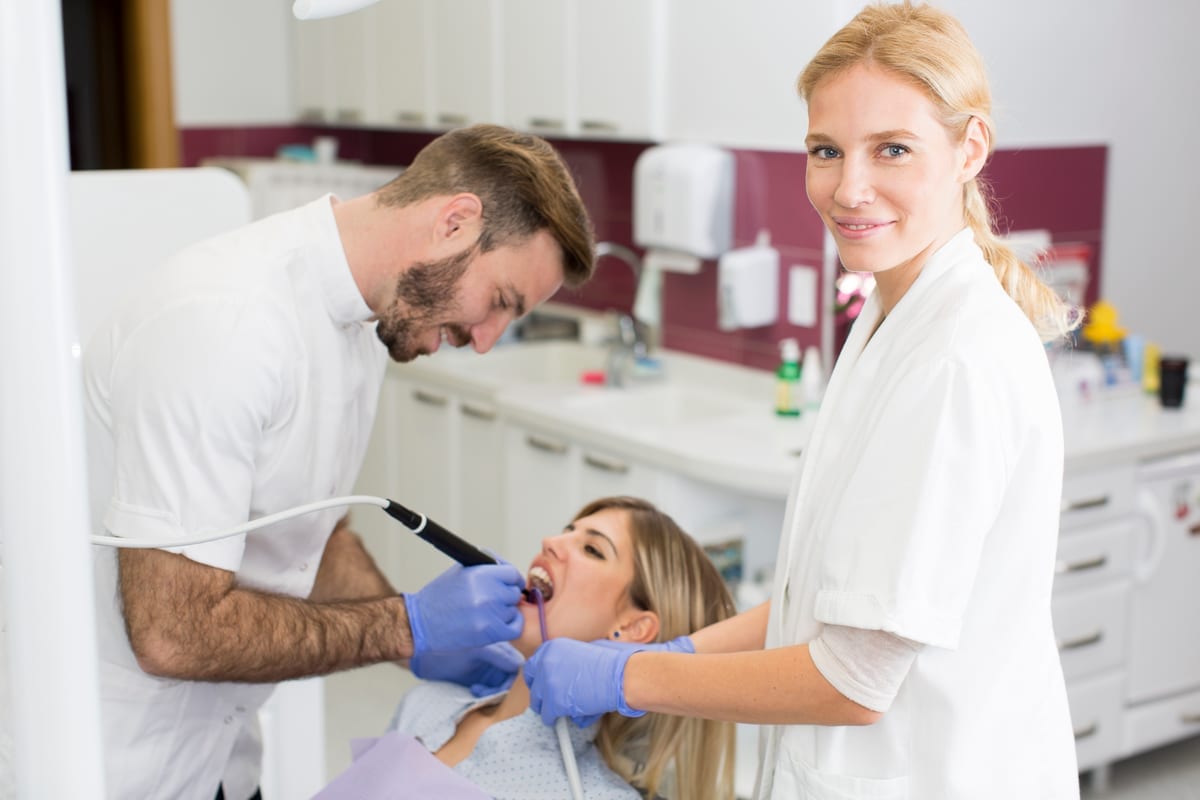


Dental bonding is one of the most popular cosmetic treatments we offer at The Schiff & Moniz Dental Group in Erdenheim, PA. It can repair chips, close gaps, and reshape teeth beautifully. But like any cosmetic dental work, bonding requires proper care to stay looking its best. This complete maintenance guide will help you keep your dental bonding looking perfect for years to come.
Dr. Jill Moniz and our team understand how much your smile means to you. That is why patient education is at the heart of everything we do. Whether you are exploring Cosmetic Dentistry Erdenheim patients trust or maintaining existing work, knowing the right habits makes all the difference.
What Is Dental Bonding and How Long Does It Last?
Dental bonding uses a tooth-colored composite resin applied directly to your tooth. Your dentist shapes and polishes it to blend seamlessly with your natural smile. It is a fast, effective solution for a wide range of cosmetic concerns. With proper care, bonding typically lasts between five and ten years.
Unlike porcelain veneers, composite resin is more vulnerable to staining and chipping over time. That does not mean bonding is a poor choice — it simply means your daily habits matter more. Understanding the material helps you make smarter decisions about how to protect your investment. The good news is that maintenance is straightforward and easy to build into your routine.
Daily Habits That Keep Your Dental Bonding Looking Perfect
Your everyday choices have the biggest impact on how long your bonding stays bright and intact. Building a few simple habits now can prevent costly repairs later. Dr. Jill Moniz recommends these daily care practices for all bonding patients in Erdenheim:
- Brush gently twice a day using a soft-bristled toothbrush
- Use a non-abrasive, fluoride toothpaste to avoid scratching the resin surface
- Floss daily to prevent buildup around bonded areas
- Rinse with an alcohol-free mouthwash to protect the resin bond
- Drink water after consuming staining beverages like coffee or tea
- Avoid biting your nails, chewing on pens, or using your teeth as tools
Soft brushing is especially important. Abrasive pastes or hard bristles can dull the polished surface of your bonding over time. Your bonded teeth should feel clean and smooth — not scratchy. If you notice any roughness, contact our Erdenheim office right away.
Foods and Habits to Avoid After Dental Bonding in Erdenheim
Some foods and lifestyle habits can significantly shorten the life of your dental bonding. Being aware of these risks helps you protect your smile every single day. Here is what Dr. Jill Moniz advises our bonding patients to limit or avoid:
- Hard foods like ice, hard candy, or crusty bread that can chip the resin
- Sticky foods like caramel or chewing gum that may pull at the bond
- Staining foods and drinks such as red wine, coffee, berries, and soy sauce
- Tobacco products, which cause rapid and deep discoloration of composite resin
- Acidic foods and drinks that can gradually weaken the bonding material
Composite resin stains more easily than natural tooth enamel. Even light coffee drinkers may notice yellowing over time without proper rinsing habits. Smoking is one of the fastest ways to discolor bonding and reduce its lifespan. If you do smoke, speak openly with Dr. Moniz about strategies to protect your cosmetic results.
Teeth grinding, known as bruxism, is another major threat to dental bonding. If you clench or grind at night, ask us about a custom night guard. This simple device protects your bonding while you sleep. Many patients in Erdenheim are surprised to learn they grind without even realizing it.
When to Schedule Maintenance Visits for Dental Bonding
Professional care is a critical part of keeping your dental bonding looking perfect long-term. Regular dental visits allow Dr. Jill Moniz to monitor the condition of your bonding closely. She can spot early signs of wear, chipping, or staining before they become bigger problems. We recommend the following visit schedule for bonding patients:
- Every six months: Schedule a routine cleaning and bonding check. Your hygienist uses non-abrasive polishing tools safe for composite resin surfaces.
- Annually: Ask Dr. Moniz to assess whether your bonding needs polishing or minor touch-ups to restore its original luster.
- Immediately: Contact our office if you notice any chipping, rough edges, sensitivity, or color changes in your bonded teeth.
These visits are also a great time to ask about our other services. Many patients combine bonding maintenance with teeth whitening to keep their natural teeth matching their bonded ones. Our team at The Schiff & Moniz Dental Group makes it easy to care for your whole smile in one place. We also offer Pediatric Dentistry Erdenheim families count on, so the whole family can be cared for together.
Protecting Your Investment: Long-Term Care Tips from Dr. Jill Moniz
Dental bonding is a smart and affordable way to enhance your smile. But maximizing its lifespan requires a proactive approach. Dr. Moniz encourages every patient to think of their bonding as a long-term investment worth protecting. A few consistent habits can extend your results significantly.
Consider using a straw when drinking staining beverages. This small habit reduces direct contact between dark liquids and your bonded teeth. It may seem minor, but over months and years it makes a real difference. Patients who use straws consistently report far less discoloration between visits.
Stay hydrated throughout the day. Water naturally rinses away food particles and surface stains before they set. It also supports overall oral health and keeps your gums healthy around bonded areas. Healthy gums are essential for keeping bonding looking natural and secure at the margins.
If your bonding ever chips or feels uneven, never try to file or smooth it yourself. Always call our Erdenheim office so Dr. Moniz can make a safe, professional repair. Even small repairs done correctly can extend the life of your bonding by years. Attempting DIY fixes can cause irreversible damage to both the bonding and the underlying tooth.
Conclusion: Your Erdenheim Smile Deserves Expert Care
Keeping your dental bonding looking perfect comes down to daily habits, smart food choices, and regular professional care. Dr. Jill Moniz and the team at The Schiff & Moniz Dental Group are here to support your smile every step of the way. We proudly serve patients throughout Erdenheim and the surrounding communities with compassionate, expert dental care. Book Now to schedule your appointment with our team.
Frequently Asked Questions
How often should I visit the dentist to maintain my dental bonding?
We recommend visiting every six months for routine cleanings and a bonding check. Dr. Jill Moniz will assess your bonding for wear, staining, or chips at each visit. If you notice any changes between visits, come in sooner. Early attention to small issues prevents larger, costlier repairs later.
Can teeth whitening be used on dental bonding?
Standard whitening treatments do not change the color of composite resin. This means whitening your natural teeth may cause a mismatch with your bonded teeth. Talk to Dr. Moniz before starting any whitening treatment. She can help you plan an approach that keeps your smile looking even and consistent.
What should I do if my dental bonding chips?
Contact The Schiff & Moniz Dental Group in Erdenheim as soon as possible. Do not try to repair or smooth the chip yourself at home. Dr. Moniz can usually repair minor chips quickly during a short office visit. Prompt care prevents the damage from worsening and protects the underlying tooth structure.
Does dental bonding stain easily?
Composite resin is more prone to staining than natural enamel or porcelain. Coffee, tea, red wine, and tobacco are the most common culprits. Rinsing with water after consuming staining foods and drinks helps reduce discoloration. Regular professional polishing at your six-month visits also keeps bonding looking bright.
How long does dental bonding typically last with proper care?
With consistent daily care and regular dental visits, dental bonding can last between five and ten years. Some patients see their bonding last even longer with excellent oral hygiene habits. Lifestyle factors like diet, grinding habits, and tobacco use all affect longevity. Dr. Moniz can give you a personalized estimate based on your specific situation.