
Your smile deserves care at every stage of life. As you get older, maintaining healthy teeth and gums can help you enjoy your favorite foods, speak comfortably, and smile with confidence. However, changes in oral health, certain medications, and challenges with daily brushing and flossing can make dental care more complicated.
For seniors in Lafayette Hill, Pennsylvania, including residents of retirement communities such as The Hill at Whitemarsh, maintaining good oral hygiene is an important part of everyday health and comfort. Whether you live independently or receive assistance with daily activities, a consistent dental care routine and regular dental visits can help protect your smile.
Tooth loss and dental discomfort are not inevitable parts of aging. With appropriate preventive care, you can manage common concerns such as gum disease, dry mouth, tooth decay, and missing teeth.
The Schiff & Moniz Dental Group in nearby Erdenheim provides a range of dental services to help patients maintain their oral health. Here are practical steps you can take to care for your teeth and gums as you age, along with signs that indicate when you should seek professional dental advice.
Why Dental Care Matters as You Get Older
Growing older does not automatically mean losing your natural teeth. With consistent home care and regular dental checkups, many older adults can maintain their natural teeth throughout their lives.
However, certain age-related changes and health factors can increase the risk of oral health problems. Some medications reduce saliva production, increasing the risk of dry mouth and tooth decay. Gum recession can expose tooth roots, while existing crowns, bridges, and dentures may require maintenance or adjustments.
Physical changes can also make daily oral hygiene more challenging. For example, arthritis or reduced hand mobility may make brushing and flossing difficult. Fortunately, simple adjustments to your routine and the right dental care products can make oral hygiene more manageable.
Know When Your Teeth and Gums Need Attention
Some dental problems develop gradually and may not cause pain in their early stages. Recognizing changes in your mouth can help you seek treatment before a problem becomes more serious.
Watch for these warning signs:
- Gums that bleed when you brush or clean between your teeth
- Persistent bad breath or an unpleasant taste in your mouth
- Tooth sensitivity or pain when eating
- Loose teeth or receding gums
- A dry or sticky feeling in your mouth
- Difficulty chewing or dentures that no longer fit comfortably
- Sores or patches in your mouth that do not heal
If you notice any of these symptoms, contact your dentist for an evaluation. A mouth sore or lesion that persists for two weeks should be examined by a healthcare professional. If you experience facial swelling accompanied by difficulty breathing or swallowing, seek emergency medical attention.
How to Protect Your Teeth and Gums Every Day
Brushing twice a day, cleaning between your teeth, and keeping up with regular dental visits can help protect your oral health as you age. If you live in Lafayette Hill or a nearby community, visiting a trusted dentist near Lafayette Hill, PA can help you maintain healthy teeth and gums with personalized preventive care.
Brush Twice a Day With Fluoride Toothpaste
Brush your teeth twice daily for two minutes using fluoride toothpaste and a soft-bristled toothbrush. Use gentle movements along the gumline and clean every tooth surface thoroughly.
Fluoride helps strengthen tooth enamel and protect against cavities. If you have exposed tooth roots, frequent cavities, or dry mouth, ask your dentist whether additional fluoride protection would be beneficial.
Replace your toothbrush every three to four months, or sooner if the bristles become frayed.
Clean Between Your Teeth Daily
Brushing alone cannot reach every area between your teeth. Daily cleaning with dental floss, interdental brushes, or another recommended tool helps remove plaque and food particles from these spaces.
If arthritis or limited hand mobility makes brushing difficult, consider an electric toothbrush or a toothbrush with an adapted handle. A water flosser may also be helpful, depending on your oral health needs.
Your dental team can recommend products that suit your abilities and demonstrate how to use them correctly.
Keep Up With Regular Dental Visits
Even if your teeth feel fine, regular dental examinations are important. Your dentist can check for cavities, gum disease, changes in existing restorations, and other concerns that may not cause noticeable symptoms initially.
Some adults benefit from visits every six months, while others may need more frequent appointments because of gum disease, dry mouth, or an increased risk of cavities. Your dentist can recommend an appropriate schedule based on your oral health.
Professional cleanings also help remove hardened plaque, known as tartar, that cannot be removed through brushing alone.
What Can You Do About Dry Mouth?
Does your mouth often feel dry, sticky, or uncomfortable? Dry mouth occurs when your mouth does not produce enough saliva. Certain medications, medical conditions, and medical treatments can contribute to the problem.
Saliva helps wash away food particles and neutralize acids in your mouth. When saliva production decreases, you may face a higher risk of tooth decay and experience difficulty chewing or swallowing.
Simple Ways to Manage Dry Mouth
If you experience persistent dry mouth, consider these practical steps:
- Sip water throughout the day if your healthcare provider has not restricted your fluid intake.
- Ask your dentist or healthcare provider whether your medications could be contributing to the problem.
- Discuss saliva substitutes or sugar-free products designed to relieve dry mouth.
- Brush twice daily with fluoride toothpaste and clean between your teeth every day.
- Limit frequent sugary snacks and drinks to help reduce your risk of cavities.
If you have fluid restrictions or take medications that affect saliva production, consult your healthcare provider before changing your fluid intake or medication routine.
Your dentist can assess your risk of tooth decay and recommend preventive care suited to your needs.
How to Care for Missing Teeth, Dentures, and Dental Implants
Missing teeth can affect chewing, speaking, and confidence. They may also change how your remaining teeth fit together. If you have missing teeth or use dental restorations, understanding your options can help you make informed decisions about your oral health.
Explore Your Tooth Replacement Options
Depending on your needs, your dentist may discuss dental implants, bridges, or dentures.
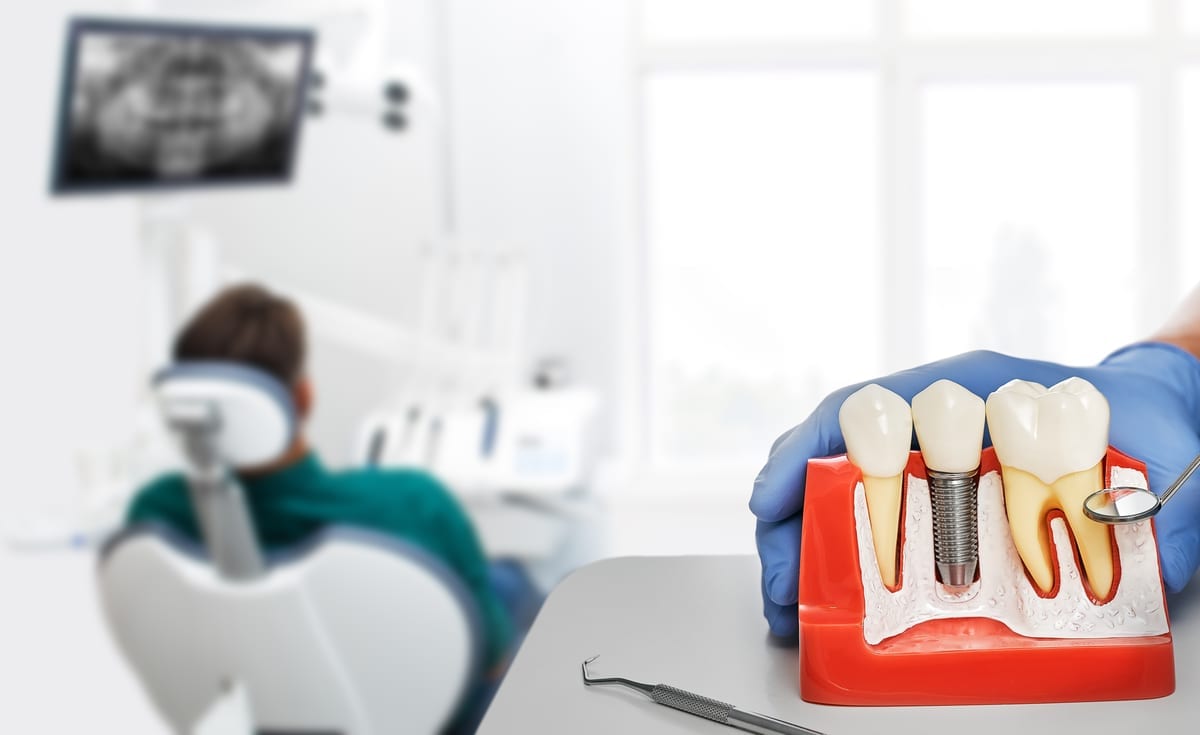
Dental implants are placed in the jawbone to support replacement teeth. Dental bridges replace missing teeth using neighboring teeth or other suitable supports. Dentures can replace several missing teeth or an entire arch.
Each option has different requirements, costs, and maintenance needs. Your dentist can evaluate your oral health, jawbone condition, medical history, and preferences before recommending treatment.
Age alone does not determine whether you can receive dental implants. Your overall health, medications, bone health, gum condition, and ability to maintain good oral hygiene may all influence your suitability for treatment.
Keep Your Dental Restorations Clean
Dental restorations need regular care to remain comfortable and functional.
If you wear dentures, clean them daily according to your dentist’s instructions. Remove them at night when recommended, and arrange regular checks to ensure they fit properly. Poorly fitting dentures can cause irritation, sore spots, and difficulty eating.
If you have a bridge or dental implants, clean around them carefully and attend recommended follow-up appointments. Implants can still develop inflammation around the supporting tissues, so professional maintenance remains important.
Contact your dentist if your dentures begin slipping, a bridge feels loose, or the gums around an implant become swollen. Avoid attempting to repair a dental appliance yourself.
Make Dental Care Easier During Retirement
Maintaining your oral health does not have to be complicated. A little planning can help you stay consistent with daily care and regular dental visits.
For older adults living at retirement communities such as The Hill at Whitemarsh, planning can make it easier to manage dental appointments alongside other healthcare needs. If transportation or daily oral hygiene is a concern, ask a family member, caregiver, or community staff member about available assistance.
Here are a few ways to make your routine easier:
- Keep your dental supplies accessible. Store your toothbrush, toothpaste, floss, and denture care products somewhere convenient.
- Use reminders. Set a daily reminder for brushing and add upcoming dental visits to your calendar.
- Keep your medication list updated. Share your current medications and relevant medical conditions with your dentist.
- Plan transportation. If mobility or travel is a concern, arrange transportation before your appointment.
- Ask about treatment costs. Discuss insurance benefits, estimated fees, and payment options before beginning treatment.
These simple steps can help you stay on track with your dental care and make appointments easier to manage.
Find Personalized Dental Care Near Lafayette Hill, PA
Choosing a dental practice that offers preventive care and treatment for common oral health concerns can make it easier to maintain your smile. If you are looking for a dentist near Lafayette Hill, PA, The Schiff & Moniz Dental Group in nearby Erdenheim offers a range of dental services for patients in the surrounding communities.
Our practice provides preventive dentistry, periodontal treatment, dental implants, and restorative dentistry. We help patients understand their oral health needs and the treatment options available to them.
For patients experiencing gum disease, our practice also offers LANAP laser treatment. Your dentist can evaluate your gum health and determine whether this treatment is appropriate for your condition.
We understand that every patient has different concerns, health needs, and preferences. Sharing your medical history and current medications helps our team plan care that takes your individual circumstances into account.
If you are visiting us for the first time, you can ask about the examination process, insurance coverage, estimated costs, and available payment options. Our team can help you understand what to expect and answer questions about your dental care.
Learn More About Oral Health for Older Adults
As you get older, changes in your gums, teeth, and saliva production may affect your oral health. For additional guidance on maintaining a healthy smile, the American Dental Association offers practical recommendations in its resource on healthy dental habits for adults over 60.
Take the Next Step Toward a Healthier Smile
Taking care of your teeth and gums can help you continue enjoying your favorite foods, spending time with loved ones, and feeling comfortable in everyday life.
Start with the basics: brush twice daily with fluoride toothpaste, clean between your teeth, manage dry mouth, and attend regular dental examinations. If you notice bleeding gums, persistent tooth pain, loose teeth, or changes in your dentures, seek professional advice rather than waiting for the problem to worsen.
At The Schiff & Moniz Dental Group, we are committed to helping patients in Erdenheim and nearby communities understand their dental needs and make informed decisions about their care.
Ready to give your smile the care it deserves? Call The Schiff & Moniz Dental Group at (215) 233-1163 or visit our website to request an appointment.
Frequently Asked Questions
1. How often should older adults visit the dentist?
The ideal frequency depends on your oral health and risk factors. Many adults benefit from dental checkups every six months, while those with gum disease, dry mouth, or a higher risk of cavities may need more frequent visits. Your dentist can recommend a schedule based on your needs.
2. How can seniors prevent cavities and gum disease?
Brush twice daily with fluoride toothpaste, clean between your teeth every day, limit frequent sugary snacks and drinks, and attend recommended dental examinations and cleanings. If you have dry mouth or exposed tooth roots, ask your dentist about additional preventive measures.
3. Can older adults get dental implants?
Yes. Many older adults may be candidates for dental implants. Suitability depends on factors such as jawbone health, medical history, medications, gum health, and oral hygiene. A dental examination can help determine whether implants or another tooth replacement option is appropriate.
4. What should seniors do if they experience dry mouth?
Speak with your dentist or healthcare provider to identify possible causes and discuss treatment options. Sipping water may help if you do not have fluid restrictions. Your dentist may also recommend saliva substitutes or other products to relieve symptoms and help reduce the risk of tooth decay.
5. Where can seniors near Lafayette Hill find dental care?
Seniors in Lafayette Hill and nearby communities can contact The Schiff & Moniz Dental Group at 813 Bethlehem Pike, Erdenheim, PA 19038. Call (215) 233-1163 or visit the practice website to learn about available dental services and request an appointment.