
If you have been wondering whether Invisalign is right for your bite, you are not alone. Many patients in Erdenheim ask Dr. Jill Moniz the same question. Invisalign can fix a wide range of bite and alignment issues — but it is not the ideal solution for every situation. Understanding what it can and cannot treat helps you make a confident, informed decision.
What Invisalign Can Actually Fix in Erdenheim
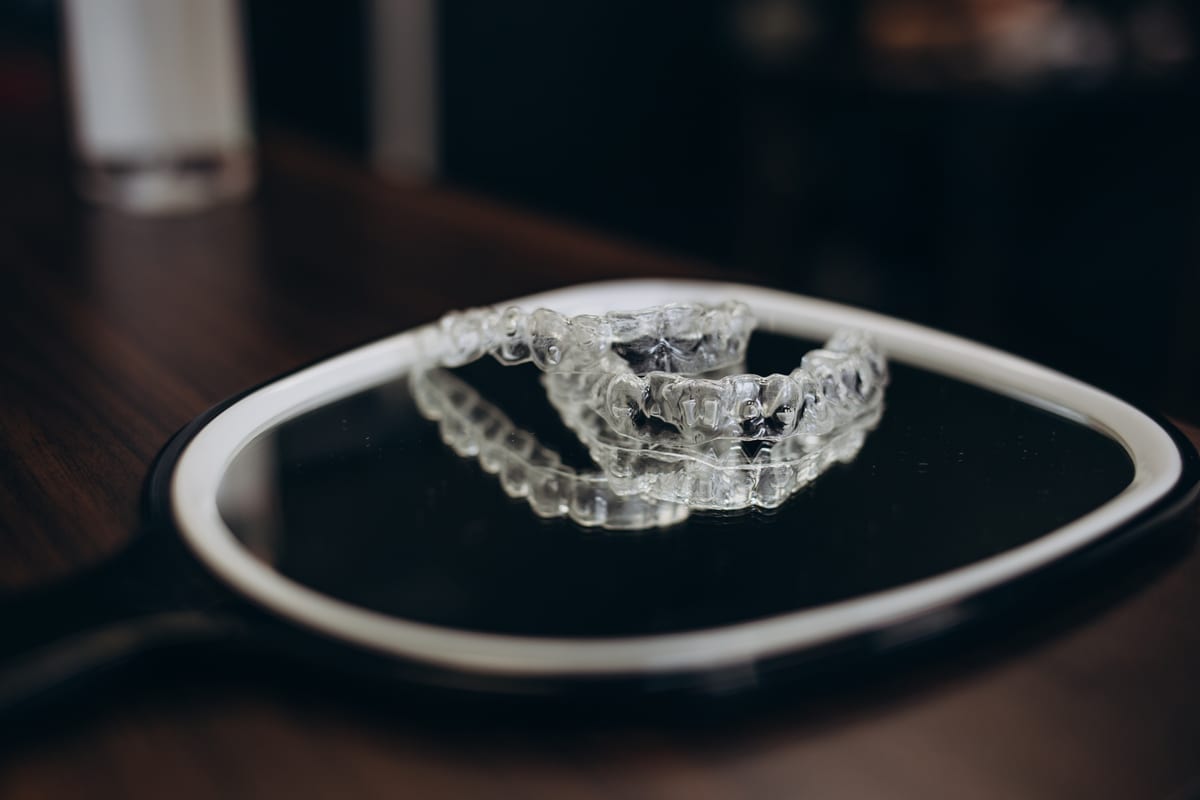
Invisalign uses a series of clear, removable aligners to gradually shift your teeth into position. Each aligner is custom-made for your unique dental structure. The technology has advanced significantly over the past decade. Today, Invisalign treats more conditions than it did when it first launched.
Here are the most common bite and alignment issues Invisalign can address:
- Mild to moderate crowding — teeth that overlap or feel cramped in the mouth
- Spacing issues — gaps between teeth that affect your smile and bite
- Mild overbite — upper front teeth that extend too far over the lower teeth
- Mild underbite — lower teeth that sit in front of upper teeth when biting
- Open bite — front teeth that do not touch when the back teeth are closed
- Crossbite — some upper teeth sitting inside the lower teeth
Dr. Moniz evaluates each patient individually. Not every case listed above qualifies automatically. The severity of your condition is the key deciding factor.
Crowding and Spacing: Where Invisalign Excels
Crowding and spacing are the two most common reasons patients seek orthodontic treatment. Invisalign handles both very effectively when the issues are mild to moderate. The aligners apply consistent, gentle pressure to close gaps or create space where needed. Most patients in Erdenheim with these concerns are strong Invisalign candidates.
Severe crowding is a different story. When teeth are significantly rotated or deeply overlapping, the aligners may struggle to move them precisely. In those cases, traditional braces often deliver better results. Dr. Moniz will take digital scans and X-rays to determine which option suits your specific situation.
Spacing concerns vary in complexity as well. Small gaps between one or two teeth respond well to Invisalign. Larger or multiple gaps throughout the mouth may require a longer treatment plan. Either way, an accurate assessment is the essential first step.
Overbite, Underbite, and More Complex Bite Issues
Many patients are surprised to learn that Invisalign can address overbites and underbites. This is possible when the issue stems from tooth positioning rather than the jaw itself. Mild to moderate overbites respond well to Invisalign treatment. Significant jaw misalignment, however, is a different situation entirely.
Skeletal underbites — where the lower jaw extends beyond the upper jaw — typically require more intervention. Invisalign alone cannot reposition the jaw bone. In these cases, Dr. Moniz may recommend traditional braces, surgical options, or a combination approach. Honest guidance at the start saves you time, money, and frustration later.
Open bites and crossbites can also be treated with Invisalign in many cases. Again, severity is the deciding factor. Attachments — small tooth-colored buttons bonded to teeth — are often added to the aligners. These help apply more targeted force to move stubborn teeth.
When Traditional Braces Work Better Than Invisalign
Invisalign is an excellent option for many patients, but it is not the right choice for everyone. Some situations call for the precision and control that only traditional braces can provide. Knowing the difference helps you set realistic expectations from day one.
Consider traditional braces when dealing with:
- Severe crowding or rotation — braces apply stronger, more directional force
- Skeletal jaw issues — Invisalign cannot move the jaw bone itself
- Complex vertical movements — some tooth movements are difficult for aligners to achieve
- Patient compliance concerns — braces are fixed, so removal is not an option
- Younger children — growing jaws sometimes need braces or specialized appliances first
Invisalign requires discipline. You must wear your aligners 20 to 22 hours per day for treatment to work. Patients who frequently remove them will not see the expected results. Dr. Moniz discusses these factors openly during your consultation.
It is also worth noting that orthodontic care is just one part of your overall dental health. Patients who need guidance on dental care for their children can learn more about Pediatric Dentistry Erdenheim services available at our practice. And if a dental concern arises unexpectedly, our Emergency Dentistry Erdenheim team is ready to help quickly.
How Dr. Jill Moniz Evaluates Your Invisalign Candidacy
Every Invisalign journey at The Schiff & Moniz Dental Group starts with a thorough evaluation. Dr. Moniz uses digital X-rays and 3D imaging to map your teeth, jaw, and bite precisely. This technology gives her a clear picture of what is happening beneath the surface. It also allows her to show you a projected outcome before treatment even begins.
Your consultation will cover your goals, your lifestyle, and your dental history. Dr. Moniz asks questions and listens carefully. She believes that the best treatment plan is one that fits your life — not just your teeth. Erdenheim patients consistently appreciate her direct, educational approach.
After the evaluation, you will receive a clear recommendation. If Invisalign is a strong match, treatment can often begin quickly. If another option would serve you better, Dr. Moniz will explain why and outline your alternatives. There are no pressure tactics — just honest, professional guidance.
Conclusion: Take the First Step Toward a Better Bite
Determining whether Invisalign is right for your bite requires a professional evaluation. No online quiz or general article can replace a thorough assessment from an experienced dentist. If you are in Erdenheim and curious about your options, Dr. Jill Moniz at The Schiff & Moniz Dental Group is ready to help. Book Now to schedule your appointment with our team.
Frequently Asked Questions
How do I know if Invisalign can fix my specific bite issue?
The best way to find out is through a professional consultation. Dr. Moniz uses digital imaging and a detailed clinical exam to assess your bite. She will tell you clearly whether Invisalign is a good fit or whether another option would work better for you.
Can Invisalign fix an overbite or underbite?
Invisalign can treat mild to moderate overbites and underbites caused by tooth positioning. Severe skeletal jaw discrepancies — where the jaw bone itself is misaligned — typically require additional treatment beyond clear aligners alone.
How long does Invisalign treatment take in most cases?
Treatment time varies depending on the complexity of your case. Mild corrections may take as little as six months. More involved cases can take 12 to 18 months or longer. Dr. Moniz will give you a personalized timeline estimate during your consultation.
Is Invisalign as effective as traditional braces?
For the right candidate, Invisalign is equally effective as traditional braces. The key is proper candidacy screening and consistent wear. Patients who wear their aligners as directed typically achieve excellent, lasting results comparable to braces.
What happens if I am not a candidate for Invisalign?
If Invisalign is not the right fit, Dr. Moniz will walk you through other orthodontic options available at The Schiff & Moniz Dental Group. Every patient deserves a solution that actually works for their unique situation, and our team is committed to finding that solution with you.