
Many Wyndmoor patients are curious about what really happens when your dentist places veneers. It sounds simple on the surface — thin shells, bonded to teeth, instant smile. But the process involves careful planning, precise preparation, and skilled technique. Understanding each phase helps you feel confident before you sit in the chair.
At The Schiff & Moniz Dental Group, Dr. Jill Moniz guides every patient through this journey with clarity. She believes informed patients make better decisions about their care. This article walks you through every step — from your first consultation to your final bonded smile.
Your Veneer Consultation: Where the Process Begins in Wyndmoor
The veneer journey always starts with a thorough consultation. Dr. Moniz examines your teeth, gums, and bite before recommending anything. She wants to confirm that veneers are the right fit for your specific goals and oral health.
During this visit, you will discuss your smile concerns openly. Some patients want to close small gaps. Others want to correct discoloration or chips that whitening cannot fix. No two consultations look the same because no two smiles are identical.
Your dentist will also review your dental history during this appointment. Active gum disease or significant tooth decay must be treated first. Placing veneers over unhealthy teeth leads to poor long-term results. This step protects your investment from day one.
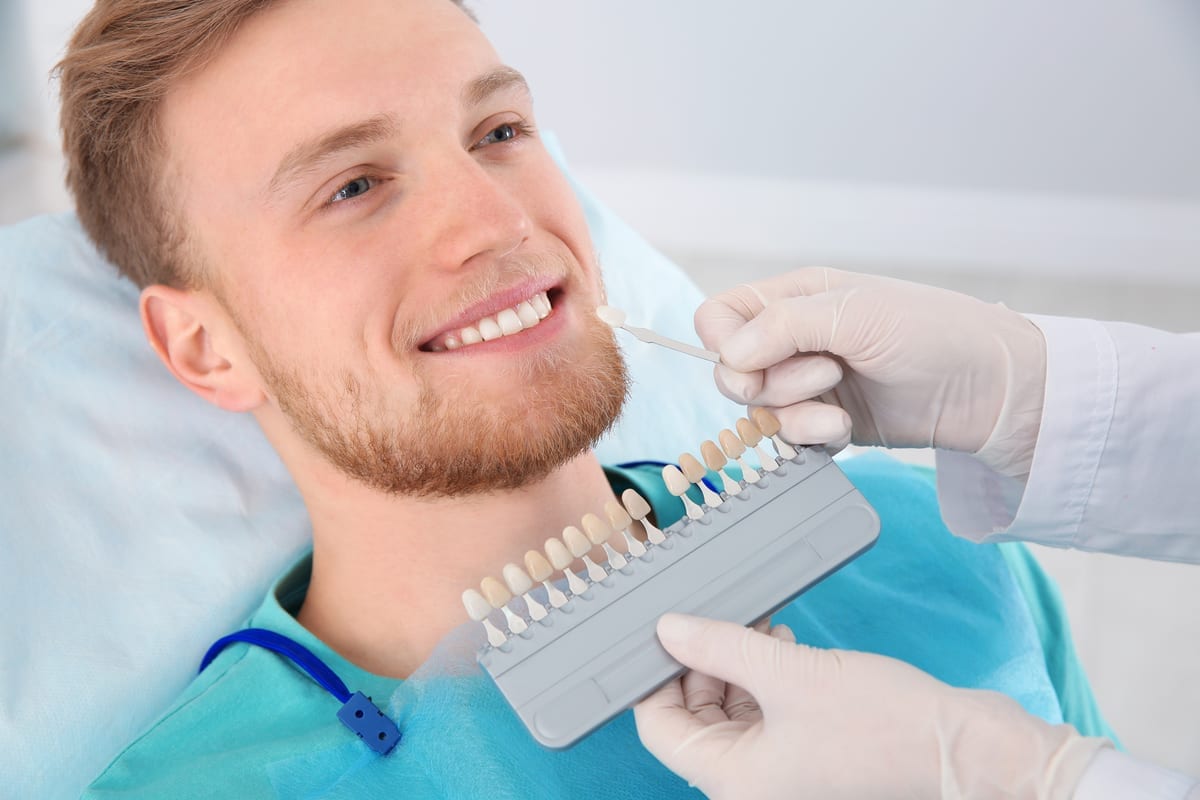
Shade selection often begins here as well. Dr. Moniz uses a professional shade guide to match your natural teeth or achieve your ideal brightness. You will have real input on the final color — this is your smile, after all.
Enamel Preparation: What It Means and Why It Matters
One of the most common questions about Cosmetic Dentistry procedures like veneers involves enamel removal. Yes, a small layer of enamel must be removed from the front surface of each tooth. This step creates space so the veneer fits flush and feels natural.
The amount removed is typically between 0.3 and 0.5 millimeters. That is roughly the thickness of a contact lens. It sounds minimal, but it is enough to make a meaningful difference in the final fit.
This preparation step is permanent. Once enamel is removed, it does not grow back. That is why choosing an experienced provider like Dr. Moniz matters so much. Precision during prep directly affects how your veneers look and feel for years to come.
Some patients feel sensitivity during or after preparation. This is completely normal and temporary. Your teeth are exposed briefly before the permanent veneers are bonded. Your care team will keep you comfortable throughout this phase.
The Temporary Phase: Protecting Your Teeth While You Wait
After enamel preparation, your dentist takes detailed impressions or digital scans of your teeth. These are sent to a dental laboratory, where skilled technicians craft your custom veneers. This process typically takes one to two weeks.
You will not leave the office with exposed prepared teeth. Dr. Moniz places temporary veneers to protect your smile during the waiting period. These temporaries are not your final result — they simply hold the space.
Temporary veneers require some care. You should avoid hard or sticky foods while wearing them. They are not bonded as permanently as your final veneers will be. Treating them gently ensures your prepared teeth stay protected.
This waiting phase is actually a valuable preview. You get to experience roughly what your final smile might feel and look like. If you have concerns about shape or length, you can communicate them to Dr. Moniz before the permanent veneers are bonded. Adjustments are far easier to make at this stage.
What to Expect During the Final Bonding Appointment
When your permanent veneers arrive from the lab, you return for the bonding appointment. This visit is often the most exciting part of the entire process. You finally get to see and feel your finished smile.
Dr. Moniz begins by removing the temporary veneers and cleaning your teeth thoroughly. She then places each permanent veneer without adhesive first. This trial placement lets both you and your dentist evaluate the fit, color, and shape before anything is finalized.
If everything looks right, the bonding process begins. Each tooth surface is etched with a mild acid solution. This creates a slightly rough texture that helps the adhesive grip firmly. A special dental cement is then applied to the back of the veneer.
The veneer is carefully pressed into position on the tooth. A curing light activates the cement and hardens it within seconds. Any excess cement is trimmed away, and your bite is checked carefully. The full bonding appointment typically takes one to two hours depending on how many veneers are placed.
Benefits of Choosing Veneers for Your Smile
Veneers offer a durable, natural-looking solution for many cosmetic concerns. Here is a quick summary of what makes them a popular choice among Wyndmoor patients:
- They resist staining better than natural enamel over time
- They correct chips, cracks, and discoloration in a single treatment
- They feel and look like natural tooth structure
- They can last ten to fifteen years with proper care
- They require no special cleaning routine beyond normal brushing and flossing
Porcelain veneers in particular are highly biocompatible. Your gum tissue responds well to porcelain surfaces. This reduces the risk of irritation or inflammation along the gumline.
Caring for Your Veneers After Placement
Veneers are durable, but they are not indestructible. Understanding how to care for them extends their lifespan significantly. Dr. Moniz provides detailed aftercare instructions at your bonding appointment.
Here are the most important care guidelines to follow after veneer placement:
- Brush twice daily with a non-abrasive toothpaste
- Floss gently each day without snapping the floss against the veneer edge
- Avoid biting nails, ice, or hard objects that could chip porcelain
- Wear a nightguard if you grind your teeth during sleep
- Schedule regular professional cleanings every six months
Grinding and clenching place significant stress on veneers. If Dr. Moniz notices signs of bruxism, she may recommend a custom nightguard. This small device protects your investment while you sleep.
If you ever chip a veneer or feel it loosen, contact the practice promptly. Do not attempt to reattach it yourself. Prompt professional attention prevents further damage and keeps your smile intact. In some urgent situations, the team can also help coordinate care through Emergency Dentistry services.
Is the Veneer Process Right for You?
Veneers are an excellent option for many patients, but not everyone is a candidate. Ideal candidates have healthy gums and sufficient enamel remaining on their teeth. Patients with severe bite misalignment may need orthodontic treatment first.
Dr. Moniz takes time to review all your options honestly. If veneers are not the best path for your goals, she will explain why. Her priority is your long-term oral health — not just a beautiful short-term result.
If you have been thinking about transforming your smile in Wyndmoor, a consultation is the best first step. You will leave with clear answers, realistic expectations, and a personalized treatment plan. Book Now to schedule your appointment with our team.
Frequently Asked Questions
Does getting veneers hurt?
Most patients experience minimal discomfort during the veneer process. Local anesthesia is used during enamel preparation to keep you comfortable. Some sensitivity after preparation is normal and fades once the permanent veneers are bonded in place.
How long does the entire veneer process take from start to finish?
The full process typically spans two to three weeks. Your consultation and preparation appointment happen first. Then you wait one to two weeks while the lab crafts your veneers. The final bonding appointment completes the process.
Can veneers be whitened if they stain over time?
Porcelain veneers do not respond to traditional teeth whitening treatments. However, they resist staining far better than natural enamel. If you plan to whiten your natural teeth, do so before veneer placement so your dentist can match the shade accurately.
How many veneers will I need?
The number of veneers varies by patient. Some people only need one or two to correct specific chips or discoloration. Others choose to treat six to eight teeth for a full smile transformation. Dr. Moniz will recommend a number based on your goals and visible smile line.
What happens if a veneer breaks or falls off?
Contact the practice right away if a veneer chips or detaches. Do not try to reattach it yourself. Dr. Moniz can evaluate the situation and recommend repair or replacement. In urgent cases, the team can provide same-day guidance to protect your tooth.