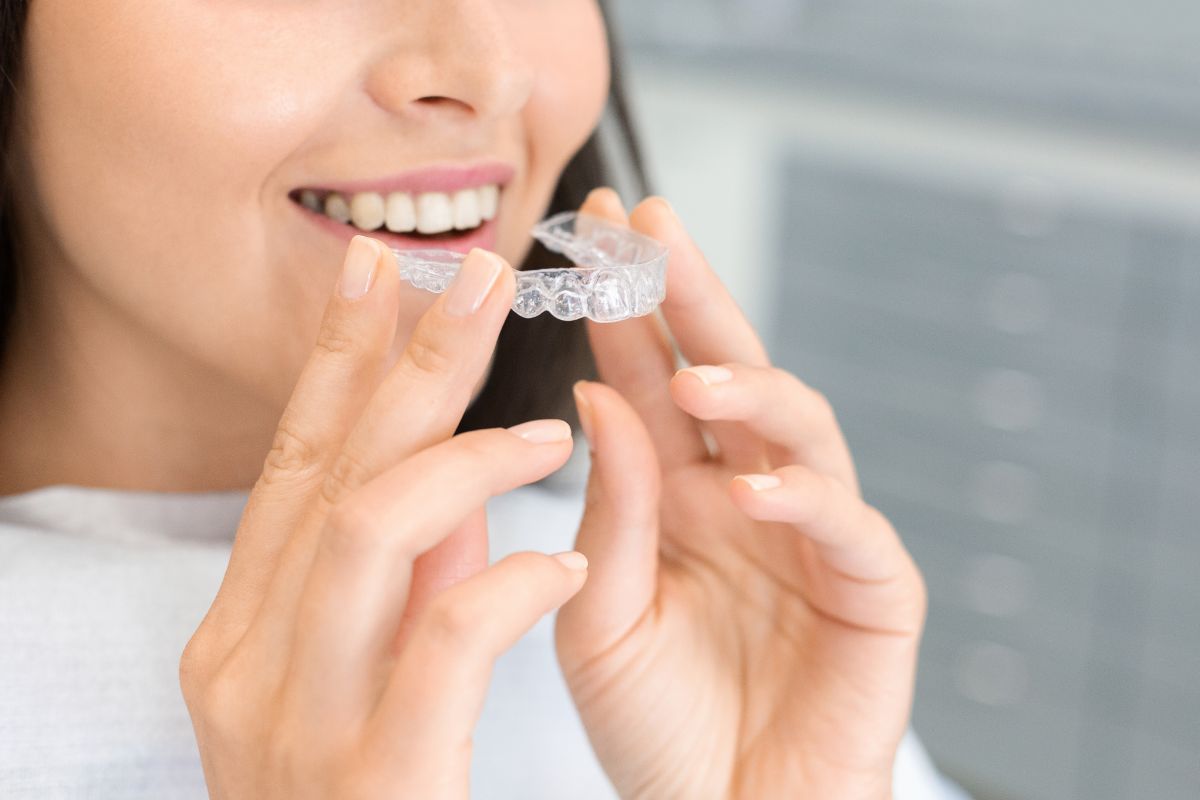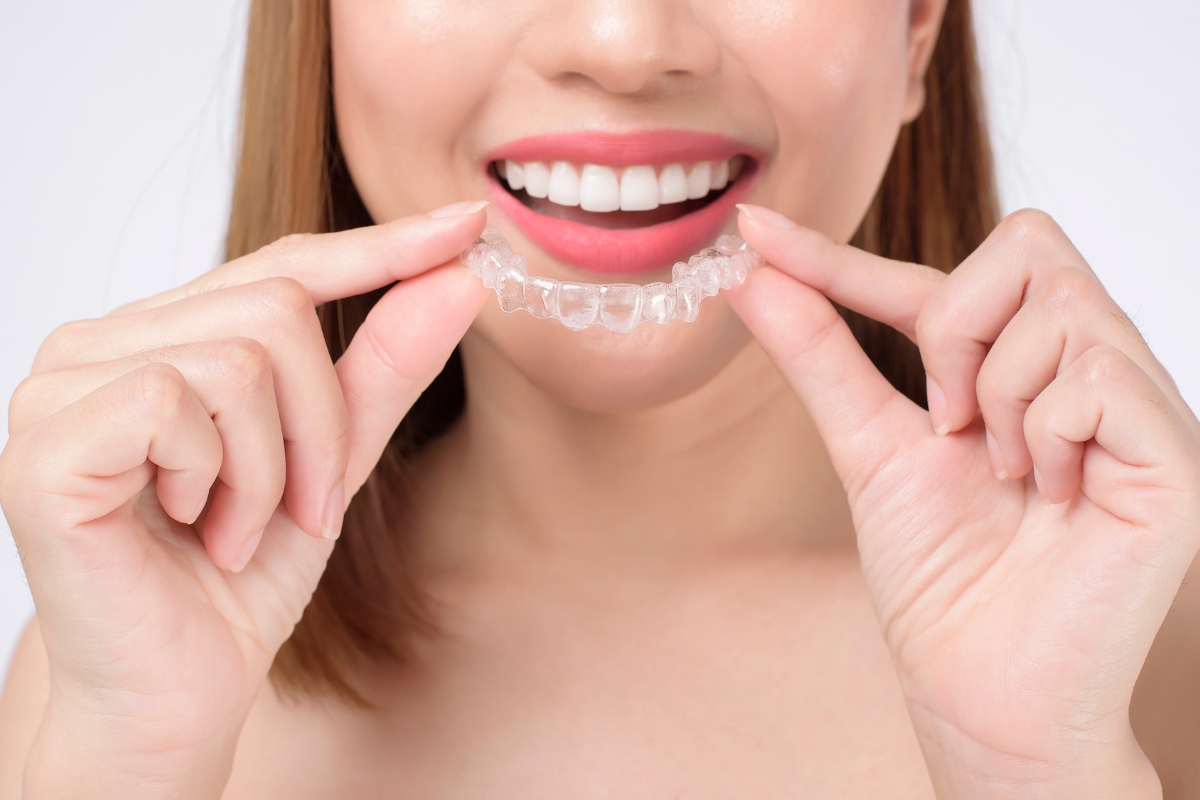

Clear aligners have fundamentally changed how people approach orthodontic care. For years, the only way to fix crowding or gaps was through a series of metal brackets and wires. Today, the shift toward discreet, removable technology allows you to improve your dental health without the visible profile of traditional oral tools. It has become one of the most popular orthodontic options in the US.
Still, many people have questions before they commit. How does the process actually work? Who’s a good candidate? How long does treatment take? This blog covers the full picture so you can walk into a consultation already knowing the basics.
How Clear Aligner Treatment Works
The process begins with a detailed digital map of your mouth. Instead of using messy putty to take impressions, we use advanced scanning technology to create a three-dimensional model of your teeth. This model allows us to plan every micro-movement from the first day of treatment until the final result. You can actually see a digital representation of how your smile will shift before you even start wearing the trays.
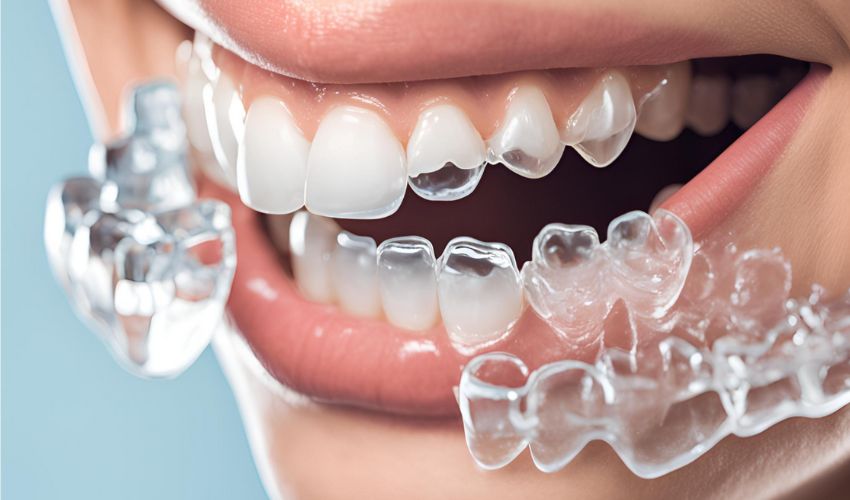
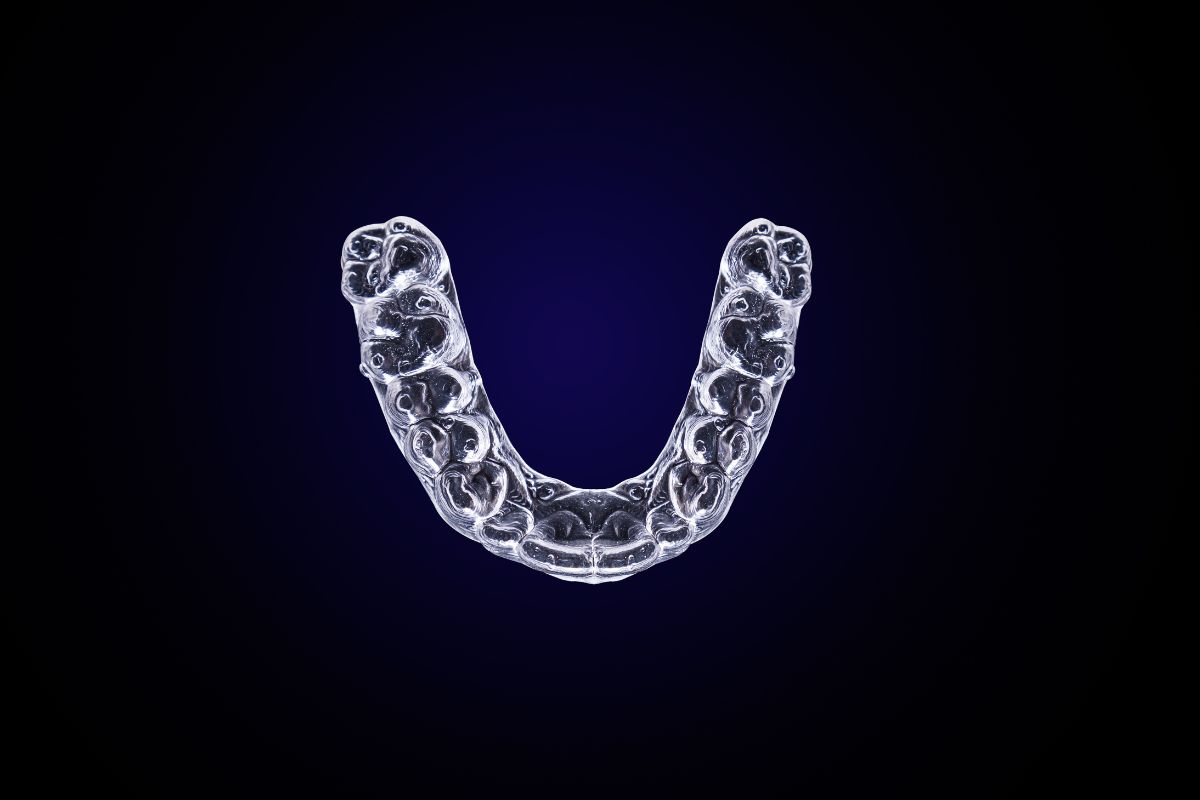
Once the plan is finalized, a series of custom-made plastic trays is fabricated. These trays are engineered to apply specific, controlled amounts of pressure to different parts of your teeth at different times. When you choose Invisalign, you are opting for a system that uses patented materials designed for a better fit and more predictable tooth movement. Each set of aligners is typically worn for one to two weeks before you move on to the next set in the series.
What Conditions Can Clear Aligners Treat?
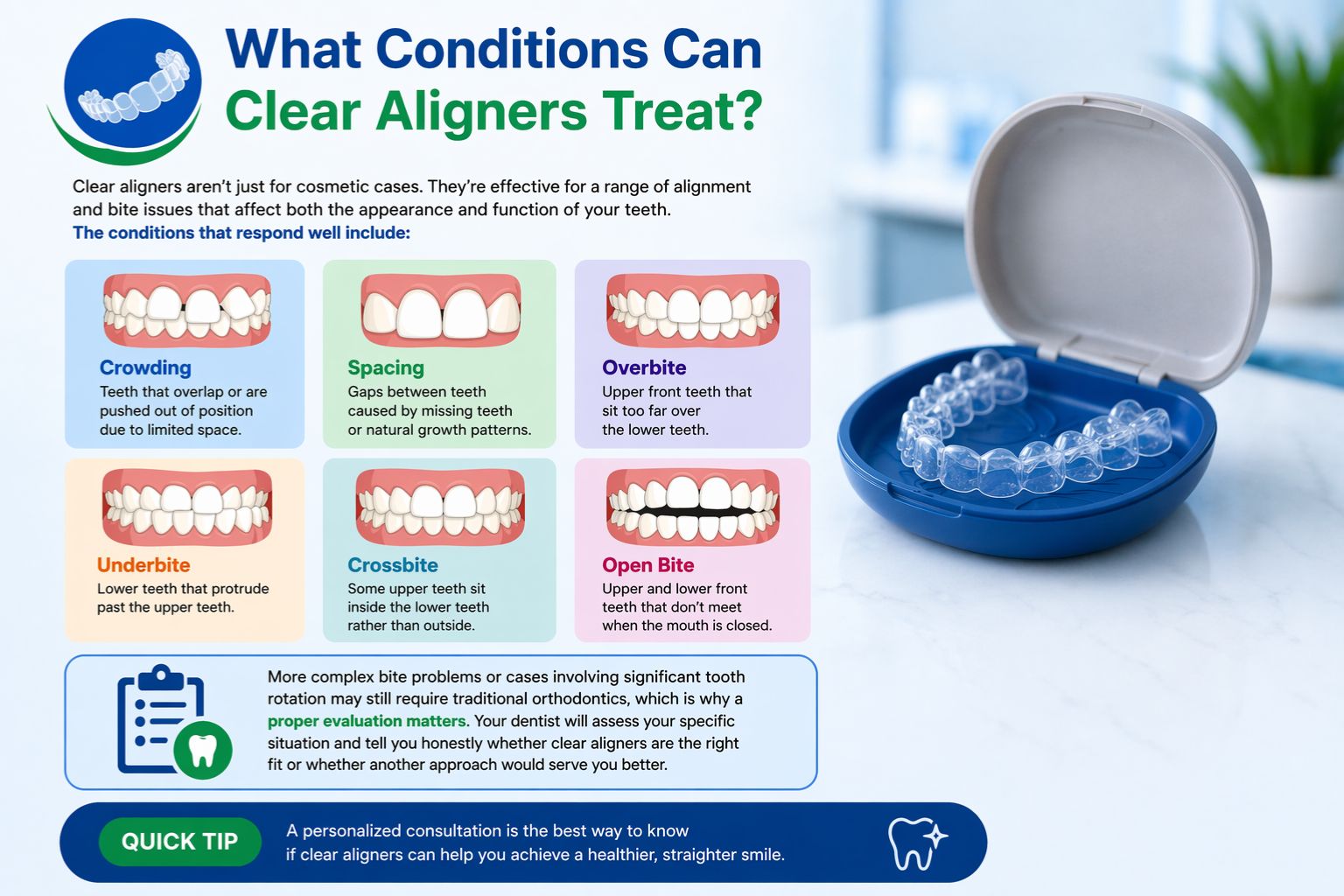
Clear aligners aren’t just for cosmetic cases. They’re effective for a range of alignment and bite issues that affect both the appearance and function of your teeth. The conditions that respond well include:
- Crowding – teeth that overlap or are pushed out of position due to limited space
- Spacing – gaps between teeth caused by missing teeth or natural growth patterns
- Overbite – upper front teeth that sit too far over the lower teeth
- Underbite – lower teeth that protrude past the upper teeth
- Crossbite – some upper teeth sit inside the lower teeth rather than outside
- Open bite – upper and lower front teeth that don’t meet when the mouth is closed
More complex bite problems or cases involving significant tooth rotation may still require traditional orthodontics, which is why a proper evaluation matters. Your dentist will assess your specific situation and tell you honestly whether clear aligners are the right fit or whether another approach would serve you better.
The Treatment Timeline: What to Expect Month by Month
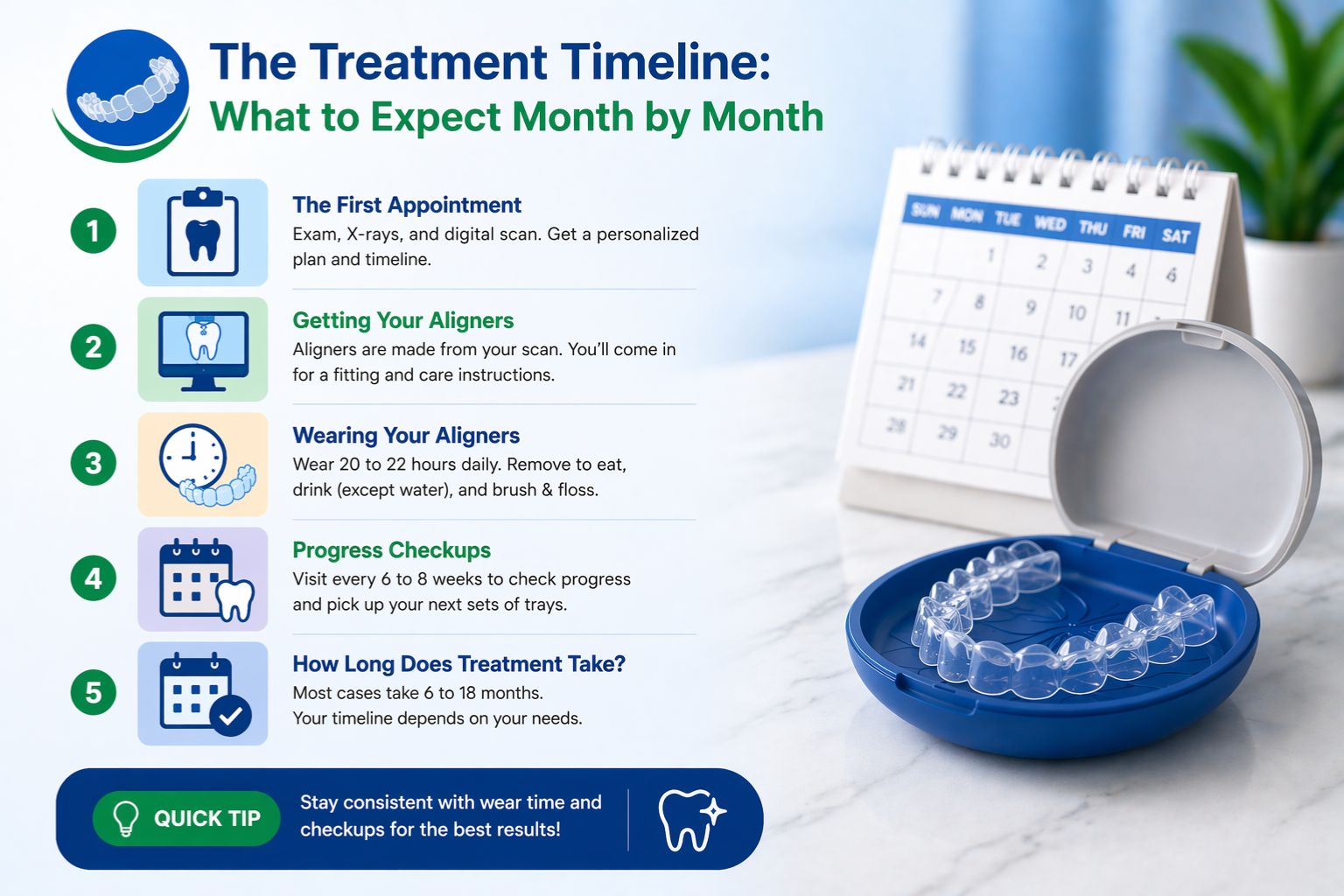
The first appointment
Your first visit involves a full examination, digital X-rays, and an intraoral scan. The dentist reviews your bite, the position of each tooth, and the health of your gums and bone before recommending any orthodontic treatment. If you’re a good candidate, you’ll receive a customized treatment plan with a projected timeline.
Getting your aligners
Your first set of trays is fabricated from the digital scan and sent to the practice. You’ll come in for a fitting appointment where the dentist ensures they fit correctly and explains how to insert, remove, and care for them. Small tooth-colored attachments are sometimes bonded to some teeth to help the aligners grip and move teeth more precisely.
Wearing your aligners
Clear aligners work only when you keep them on. The standard recommendation is 20 to 22 hours per day. You remove them to eat, drink anything other than water, and brush and floss. That’s it. Most patients find this simple once they settle into a routine, though it does require consistency.
Progress checkups
You’ll return to the practice every six to eight weeks so your dentist can confirm your teeth are tracking correctly with the treatment plan. If adjustments are needed, they can be made at these visits. This is also when you’ll pick up your next sets of trays.
How long does treatment take?
Treatment time varies based on the complexity of your case. Mild to moderate cases typically take six to eighteen months. More involved cases can take longer. One of the advantages of the digital planning process is that you’ll have a realistic timeline upfront rather than an open-ended estimate.
Life With Clear Aligners: What Patients Experience
The first few days with a new set of trays usually involve some pressure or mild discomfort – that’s normal and indicates the aligners are doing their job. It eases within 24 to 48 hours. Speech may be slightly affected at first, but most people adapt within a week.
One practical advantage patients can’t stop appreciating is the ability to eat whatever they want. There are no food restrictions because you simply remove the aligners before meals. Oral hygiene is also easier – you brush and floss your teeth normally, without having to work around wires and brackets.
The Schiff & Moniz Dental Group has been serving patients throughout Montgomery County and the greater Philadelphia area for decades, and Invisalign treatment is offered alongside the full range of dental services, so your orthodontic care is coordinated with everything else affecting your oral health rather than handled in isolation.
That integration matters more than people realize. Gum health, existing restorations, and bite mechanics all factor into how treatment proceeds. Having your aligner therapy managed by dentists who already know your full dental history means fewer surprises and a more cohesive treatment plan overall.
Schedule a consultation at The Schiff & Moniz Dental Group in Erdenheim. The team will evaluate your teeth, walk you through your options, and give you a clear picture of what your treatment would look like.
People Also Ask
Does wearing clear aligners hurt?
Most patients feel pressure or mild soreness for the first day or two after switching to a new tray. This is normal – it means the aligners are working. Over-the-counter pain relievers typically manage any discomfort. The sensation usually fades quickly as your teeth adjust.
Can clear aligners fix a bad bite, or just cosmetic issues?
Clear aligners treat functional bite problems, including overbites, underbites, crossbites, and open bites. Severe malocclusion cases may still require traditional orthodontics, but many bite issues respond well to aligner therapy.
What happens to your teeth after you finish aligner treatment?
After treatment, you’ll wear a retainer to keep your teeth in their new position. Teeth naturally want to shift back without retention. Most patients wear retainers nightly long-term. Your dentist will provide specific retainer guidance based on your case.
Can adults get clear aligner treatment, or is it just for teens?
Clear aligner therapy is most popular among adults. There’s no upper age limit as long as your teeth and gums are healthy enough for orthodontic movement. Adults often prefer aligners specifically because they’re discreet and don’t interfere with professional life.