

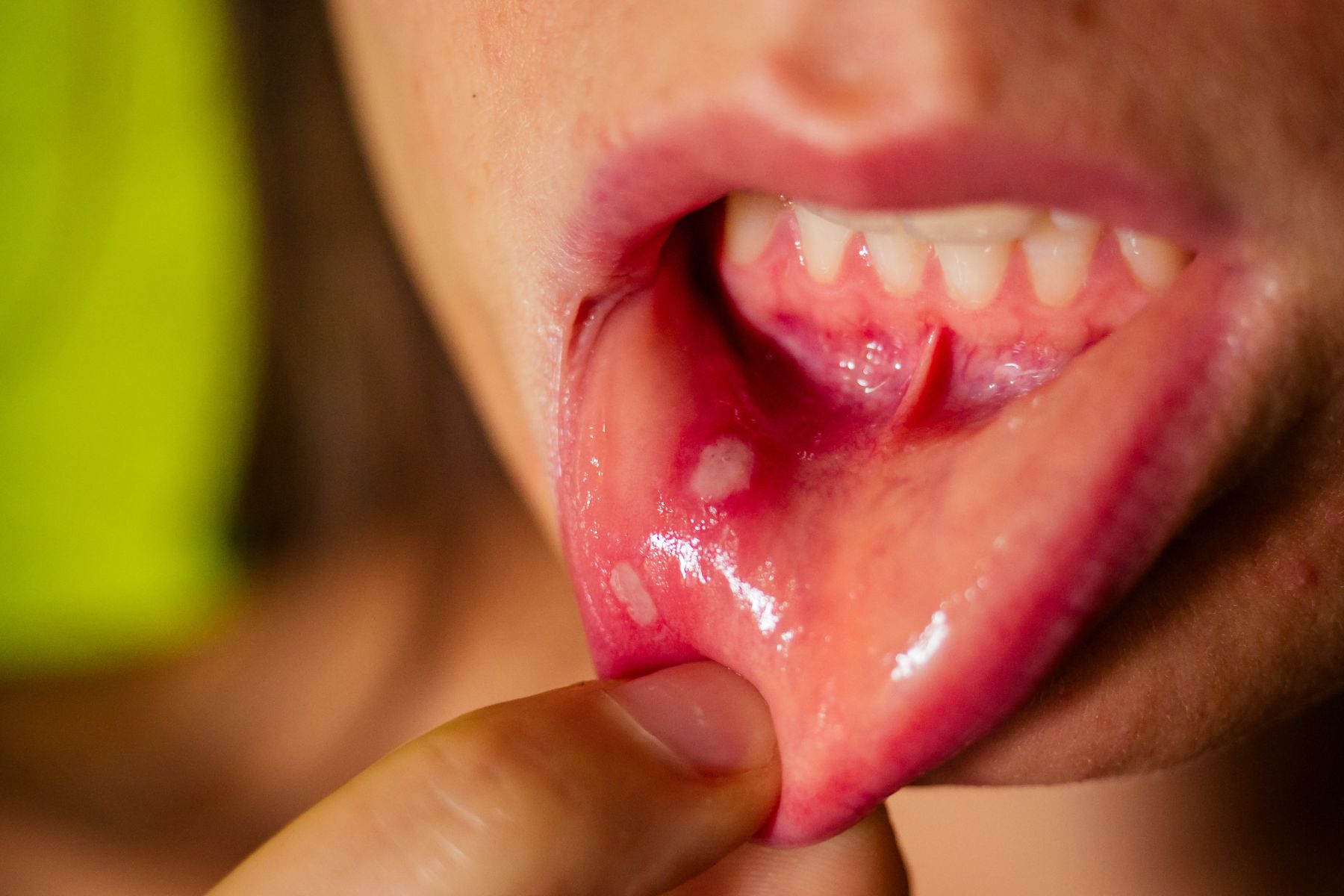
Gum disease is often an overlooked issue that many people don’t recognize until it’s too late. But understanding the early signs of gum disease can help you protect your oral health and prevent more serious complications. At The Schiff & Moniz Dental Group, we believe in the power of early intervention. Identifying these warning signs of gum disease can help ensure you receive the appropriate periodontal treatment in Erdenheim before it escalates.
In this blog, we’ll take you through the subtle yet critical symptoms of gum disease, why it’s important not to ignore them, and how to act before your oral health is compromised. Read on to learn how gum disease progresses and how to protect your smile.
What Is Gum Disease?
Gum disease, or periodontal disease, begins when bacteria in plaque build up on the teeth and gums. This buildup can cause an infection that affects your gums, leading to bleeding, swelling, and, if left untreated, tooth loss. In its earliest form, gum disease is called gingivitis, which is usually reversible. However, if left untreated, gingivitis can progress into periodontitis, a more severe form that damages the tissues and bone supporting your teeth.
While gum disease is common, it can be prevented with good oral hygiene and regular dental check-ups. Let’s dive into the early signs of gum disease to watch for.
Early Warning Signs of Gum Disease
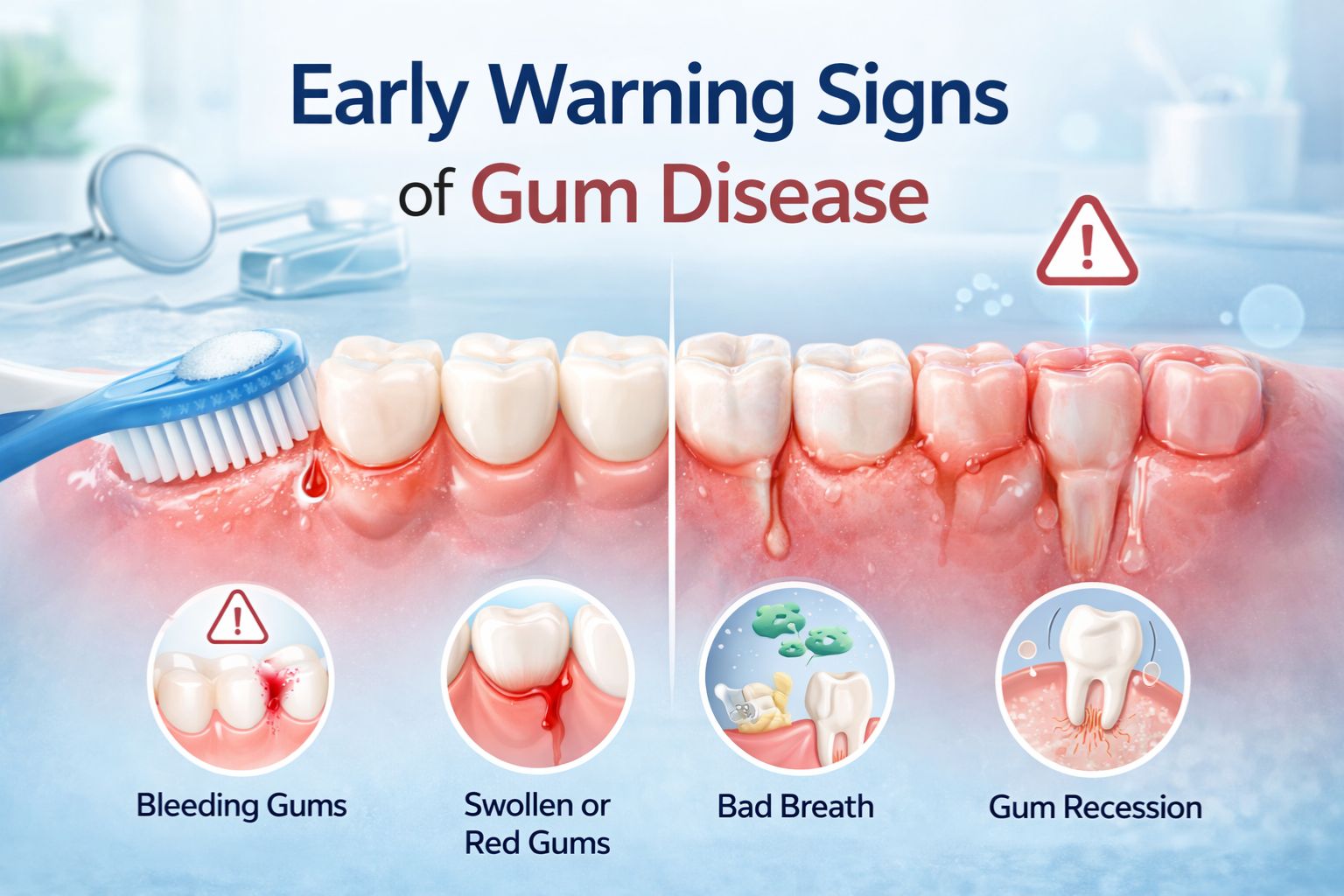
Recognizing the early signs of gum disease is crucial in preventing it from worsening. The sooner you identify the issue, the sooner you can receive periodontics treatment in Erdenheim to manage and control the disease. Here are the most common early symptoms you should never ignore:
1. Bleeding Gums When Brushing or Flossing
One of the most common early signs of gum disease is bleeding gums. If your gums bleed when you brush or floss, it’s an sign of inflammation caused by plaque buildup. While it may seem harmless at first, it can quickly progress to more severe gum disease if left untreated. Make sure to brush gently with a soft-bristled toothbrush and floss regularly to reduce plaque buildup.
2. Swollen or Red Gums
Healthy gums should be firm, pale pink, and fit snugly around your teeth. If you notice that your gums are red, swollen, or appear puffy, it’s a sign of inflammation, often due to gingivitis. These symptoms should be addressed promptly to prevent the disease from advancing into periodontitis, which can lead to further complications.
3. Persistent Bad Breath
Bad breath, or halitosis, can be more than just an embarrassing inconvenience. Persistent bad breath is often a sign of gum disease, as the bacteria that cause the infection can produce foul-smelling compounds. If you notice a lingering bad taste in your mouth or persistent bad breath, it could be gum disease, and it’s time to consult a dental professional for an evaluation.
4. Gum Recession or Pulling Away from Teeth
Gum recession occurs when your gums begin to pull away from your teeth, creating pockets that become deeper over time. This can make your teeth appear longer, and the exposed tooth roots can be more sensitive to temperature changes. Receding gums are a serious sign of periodontitis and should be treated immediately to prevent further damage to the teeth and gums.
5. Loose or Shifting Teeth
If your teeth feel loose or are shifting position, it could be a sign of advanced gum disease. When gum disease spreads to the bone that supports your teeth, it can cause tooth instability. Loose teeth may be more noticeable when chewing or biting, and, if left untreated, could result in tooth loss. If you notice this symptom, it’s essential to seek periodontics treatment in Erdenheim as soon as possible to protect your oral health.
6. Pus Between Your Teeth and Gums
If you notice pus coming from your gums, this is a clear indication of infection. Pus can form when bacteria in the gum tissue cause an abscess or pocket of infection. This is a severe symptom of gum disease and requires immediate professional intervention to treat the infection and prevent its spread.
7. Painful Chewing or Biting
Pain when chewing or biting is another sign that your gums and teeth may be in trouble. As gum disease progresses, it can affect the tissue that supports your teeth, leading to discomfort when eating. Painful chewing, especially when it feels like your teeth are shifting or loosening, should be taken seriously and treated promptly.
Why Gum Disease Is a Serious Issue
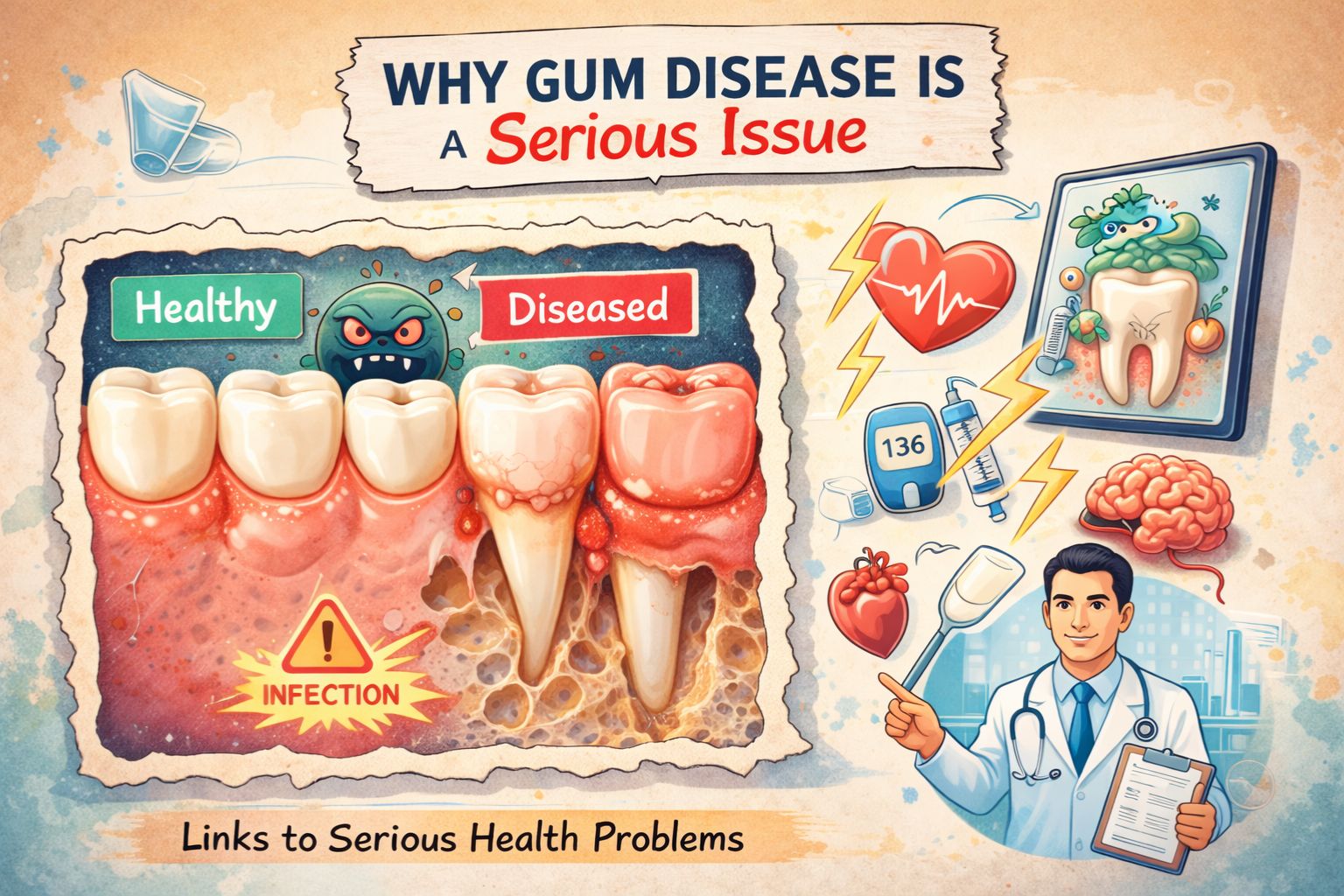
Ignoring the early signs of gum disease can lead to severe consequences. Gum disease not only affects your teeth and gums but can also lead to other health complications. Research has shown that untreated gum disease is linked to systemic conditions such as heart disease, diabetes, and stroke. By catching it early and seeking professional periodontics treatment in Erdenheim, you can prevent gum disease from affecting your overall health.
Moreover, gum disease can cause irreversible damage to your teeth and gums. Over time, the infection can weaken the bone that supports your teeth, leading to tooth loss. In some cases, severe gum disease can even affect your ability to speak or chew comfortably.
How to Prevent Gum Disease
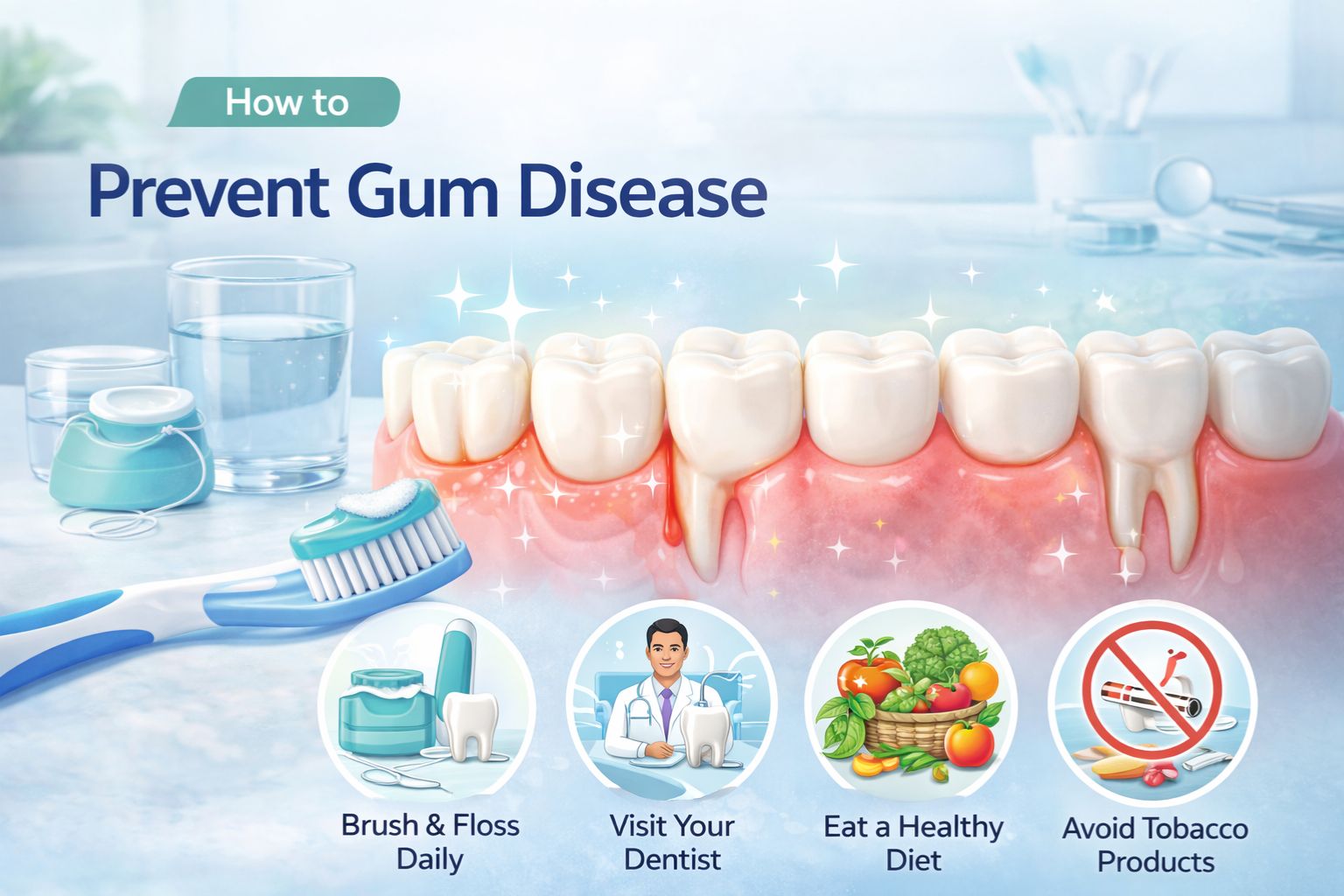
Preventing gum disease is entirely possible with proper oral hygiene and regular dental visits. Here’s how you can reduce your risk:
- Brush your teeth at least twice a day: Brushing with fluoride toothpaste helps remove plaque and bacteria from your teeth and gums.
- Floss daily: Flossing removes debris and plaque buildup between your teeth where your toothbrush may not reach.
- Visit your dentist regularly: Professional cleanings and check-ups allow your dentist to identify early signs of gum disease and treat them before they escalate.
- Eat a balanced diet: A healthy diet supports your overall well-being, including the health of your gums.
- Avoid tobacco products: Smoking and chewing tobacco increase your risk of gum disease and can make treatment less effective.
The Importance of Professional Treatment
If you notice any of the early signs of gum disease mentioned above, it’s crucial to seek professional care. Your dentist or periodontist will conduct an examination to assess the health of your gums and determine the appropriate treatment plan. In many cases, early intervention can prevent the need for more extensive treatments down the road.
At The Schiff & Moniz Dental Group, we offer comprehensive periodontics treatment in Erdenheim to help you maintain healthy gums and a beautiful smile. Our dental team is committed to providing personalized care to ensure your gums remain healthy for years to come.
People Also Ask
- Can gum disease be reversed in its early stages?
Yes, in its early stage, gingivitis (the first stage of gum disease) can be reversed with proper oral hygiene and professional cleaning by a dentist. - What are the most common causes of gum disease?
The most common causes of gum disease include poor oral hygiene, smoking, poor nutrition, certain medications, and genetic predisposition. - How can I tell if I have gum disease?
Look out for symptoms such as bleeding gums, swollen or red gums, persistent bad breath, or gum recession. If you experience any of these signs, consult your dentist. - What happens if gum disease goes untreated?
If left untreated, gum disease can lead to tooth loss, bone damage, and may even increase the risk of serious health conditions such as heart disease and diabetes.