
Dental implants are one of the most innovative and effective solutions for tooth replacement. Whether you’ve lost a tooth due to injury, decay, or aging, dental implants offer a permanent fix that restores both function and appearance. Unlike dentures or bridges, implants are anchored directly into the jawbone, providing a secure and natural-feeling result.
At The Schiff & Moniz Dental Group, we specialize in this life-changing procedure that can significantly enhance your quality of life. In this blog, we’ll walk you through the dental implant process, from consultation to recovery, so you’ll know exactly what to expect every step of the way. Read on to learn how dental implants work and why they might be the right choice for you.
What Are Dental Implants?
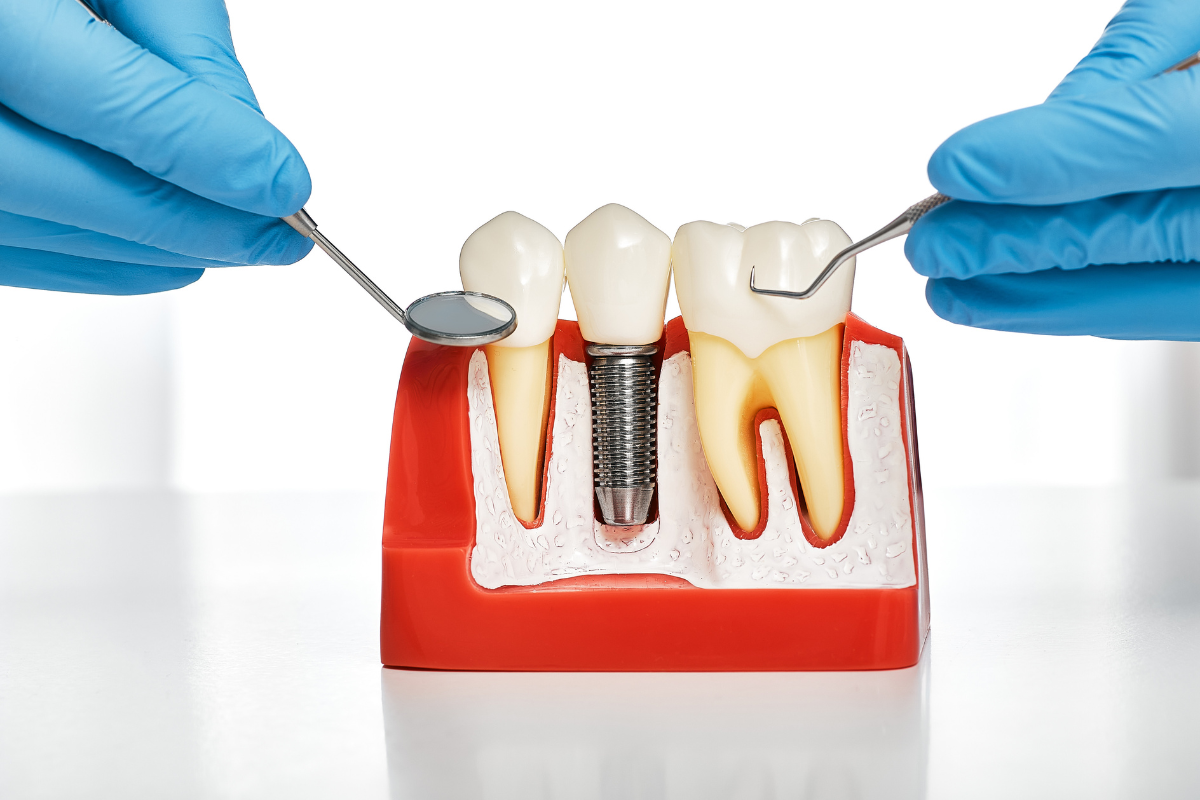
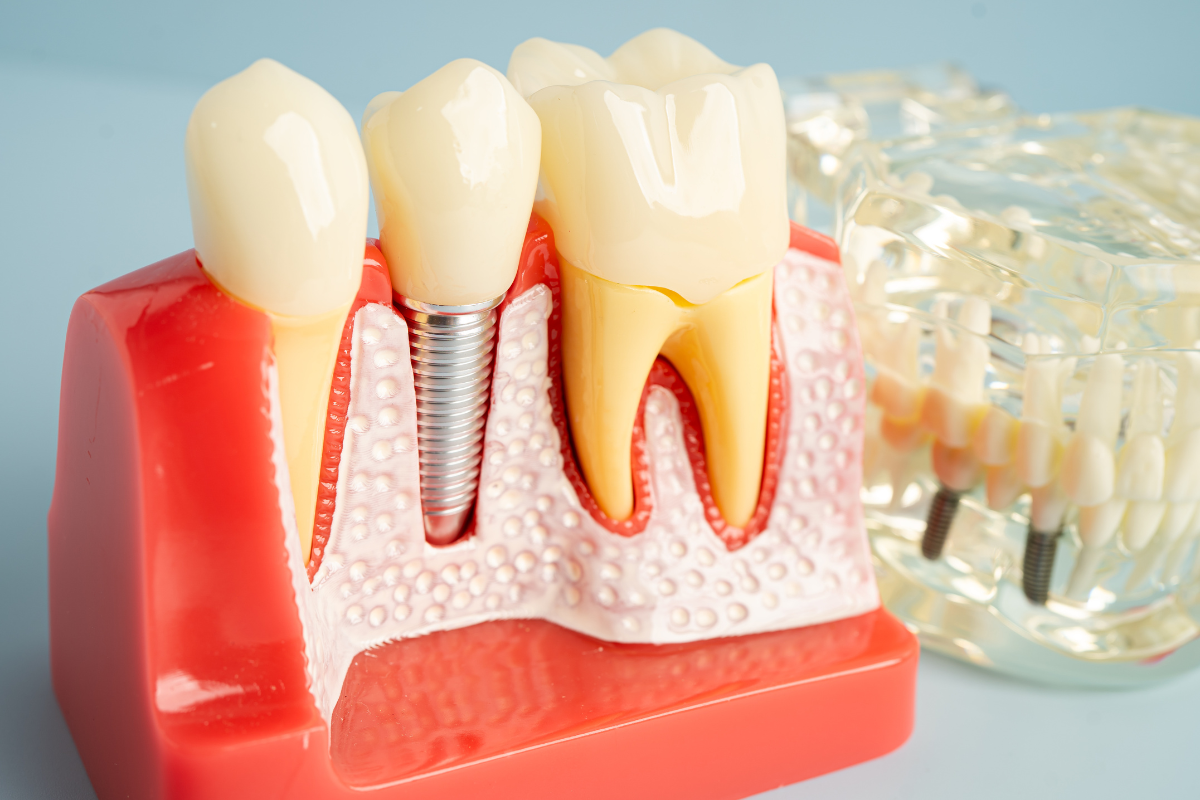
Dental implants are titanium posts that are surgically placed into the jawbone to act as artificial tooth roots. Once in place, they fuse with the bone through a process called osseointegration, which allows them to provide a stable and durable base for attaching artificial teeth. This process ensures that dental implants offer a long-lasting solution for missing teeth.
One of the primary advantages of implants over traditional tooth replacements like dentures or bridges is that they mimic the natural tooth structure. They not only restore the look of your smile but also the functionality, allowing you to speak, eat, and smile with confidence.
Additionally, implants help prevent bone loss, a common issue with missing teeth, by stimulating the jawbone and encouraging healthy bone growth. This makes them a more reliable and permanent solution compared to removable dentures.
With dental implants in Erdenheim, you’ll experience a more comfortable and natural fit than with conventional bridges or dentures. You’ll no longer have to worry about your teeth slipping or the need for adhesives. Plus, they require no alterations to your surrounding teeth, unlike bridges, which can damage adjacent teeth.
Step-by-Step Guide to the Dental Implant Procedure
Initial Consultation
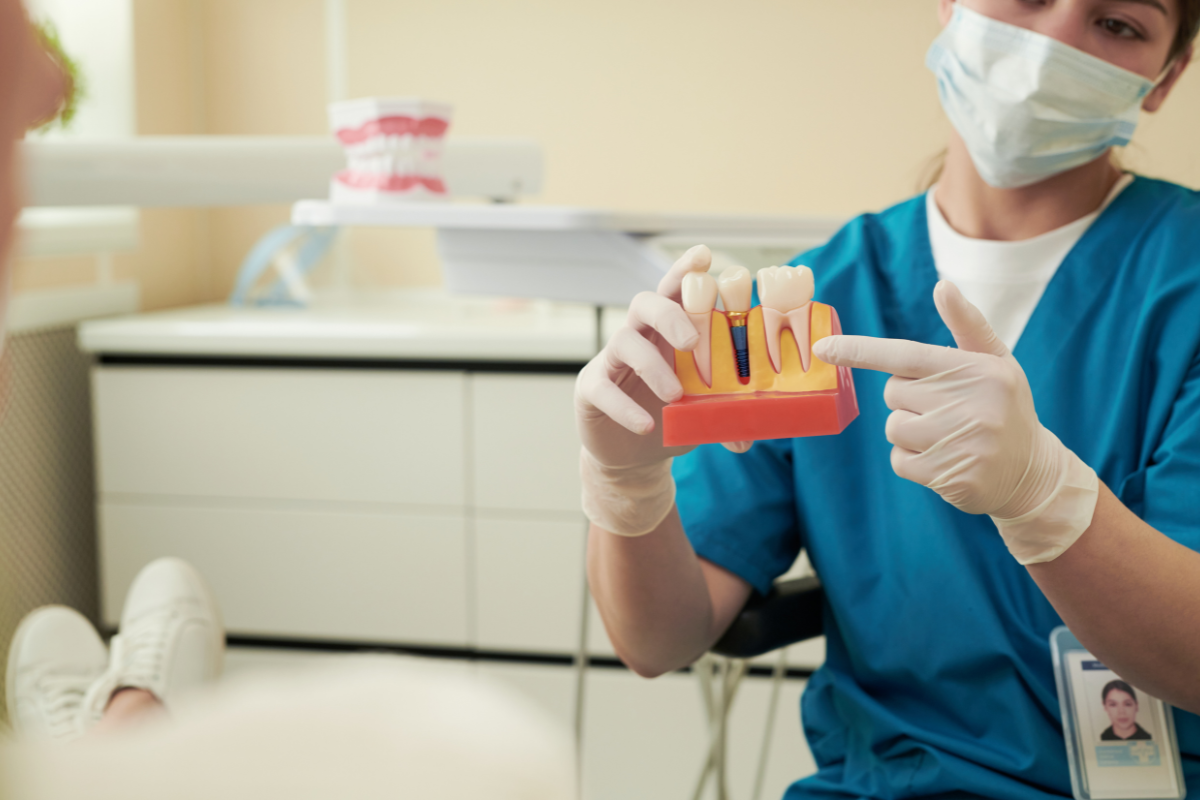
The first step in the dental implant process is a comprehensive consultation at The Schiff & Moniz Dental Group. During this appointment, your dentist will evaluate your oral health, discuss your medical history, and take X-rays or 3D scans to assess the condition of your jawbone. This information helps determine whether you are a good candidate for implants and if any additional procedures (like a bone graft) are needed.
Assessing your bone density is crucial, as the jawbone must be strong enough to support the implants. If you lack sufficient bone mass, your dentist may recommend options like bone grafting to ensure a secure foundation for the implant.
The Procedure Itself
Once cleared for surgery, your dentist will discuss sedation options, such as local anesthesia, IV sedation, or general anesthesia, based on your comfort level and the complexity of the procedure.
During the implant placement, a small incision is made in the gum tissue to expose the jawbone. Then, the titanium post is carefully inserted into the bone. This process typically takes about 1-2 hours, depending on the number of implants being placed. Afterward, the gum tissue is closed, and the implant is left to heal and integrate with the bone.
Healing Time
Healing after the implant procedure is a crucial phase. The titanium post needs time to fuse with the jawbone, a process that can take anywhere from 3 to 6 months. During this time, the bone grows around the implant, ensuring a secure and stable foundation for your replacement tooth.
Post-Procedure Care
Immediately after the procedure, you can expect some swelling and mild discomfort. Your dentist will provide instructions on how to manage any pain and swelling, which can usually be controlled with over-the-counter medications. It’s essential to follow these instructions carefully to avoid complications and ensure a smooth recovery.
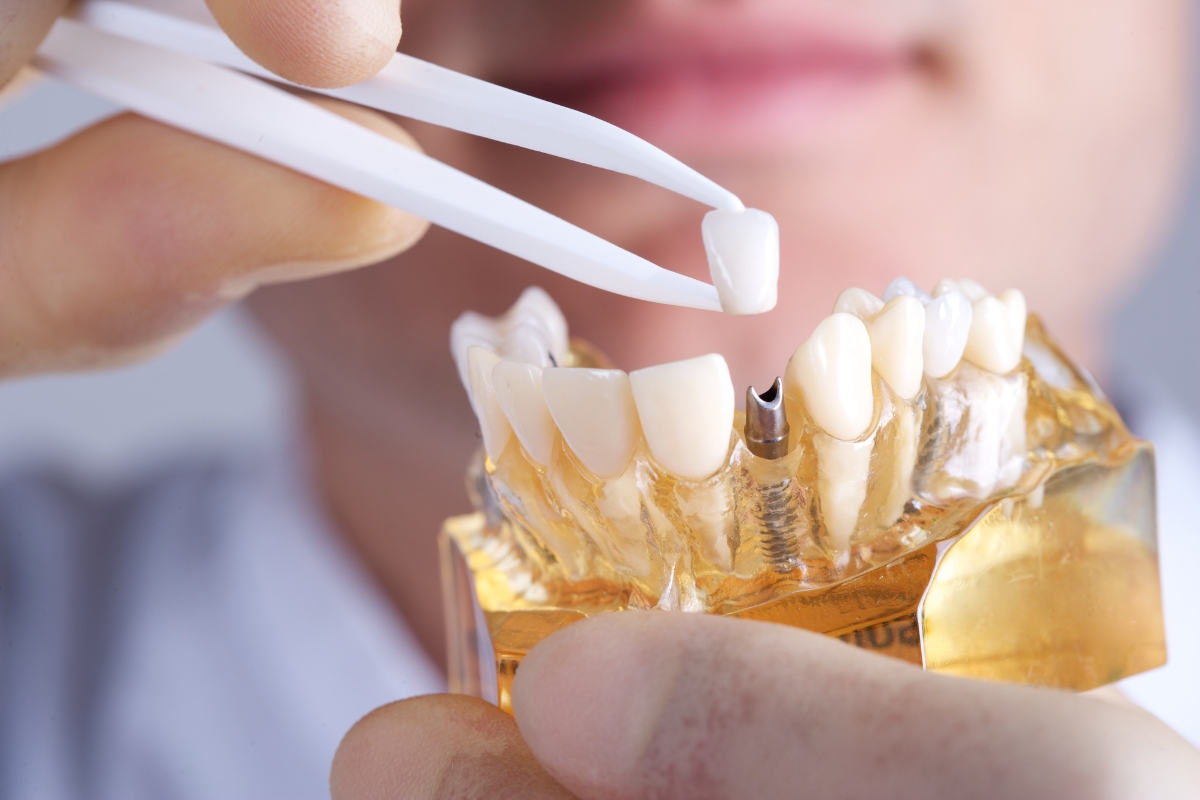
You’ll also be scheduled for follow-up appointments to monitor the healing process and ensure the implant is integrating properly with the bone. Once the implant has fused with the bone, your dentist will attach the final restoration, such as a crown, bridge, or denture, depending on your needs.
Benefits of Dental Implants
Dental implants in Erdenheim are more than just a cosmetic solution. They offer numerous long-term benefits that can improve your quality of life.
Enhanced Functionality: Unlike dentures or bridges, which can slip or shift, dental implants restore full chewing ability. This means you can eat your favorite foods with confidence, without worrying about discomfort or instability.
Natural Appearance: Implants look and feel like your natural teeth. The custom-made restoration is designed to match your existing teeth, ensuring a seamless and attractive smile.
Durability: With proper care, dental implants can last a lifetime. The titanium material is highly durable, and the fusion with your jawbone makes the implant incredibly strong.
Prevents Bone Loss: Dental implants stimulate the jawbone, preventing the bone loss that often occurs when teeth are missing. This helps maintain the shape of your face and prevents other dental issues down the line.
Improved Confidence: One of the most significant advantages of dental implants is the boost they give to your self-esteem. A restored smile can help you feel more confident in social and professional settings, knowing your teeth look and function as they should.
How to Prepare for Your Dental Implant Procedure
Proper preparation can help ensure a smooth and successful dental implant procedure. Here are a few tips on how to get ready:
- Follow Pre-Op Instructions: Depending on the type of sedation you’ll be receiving, your dentist may ask you to fast for a certain period before the procedure. It’s essential to follow these instructions to ensure the surgery goes smoothly.
- Arrange Transportation: If you’re receiving IV sedation or general anesthesia, you won’t be able to drive yourself home. Make arrangements for a friend or family member to take you to and from your appointment.
- Maintain Good Oral Hygiene: Keeping your mouth clean before the procedure is vital. Brush and floss your teeth carefully to reduce the risk of infection.
- Avoid Smoking: Smoking can hinder the healing process and negatively impact the success of your implant. It’s advisable to avoid smoking for at least a few days before and after the procedure.
- Ask Questions: Don’t hesitate to ask your dentist at The Schiff & Moniz Dental Group any questions you may have about the procedure, recovery, or post-op care. Clear communication ensures you’re comfortable and well-informed throughout the process.
Dental implants are a safe, effective, and long-lasting solution to restore missing teeth and enhance your smile. While the procedure may seem daunting at first, it’s important to remember that it’s a well-established method that can dramatically improve your quality of life. With the expertise of The Schiff & Moniz Dental Group, you can rest assured that you’re in good hands every step of the way.
Are you ready to restore your smile? Contact us today to schedule your consultation and learn how dental implants can benefit you.
Ask Anything About Dental Implants
Will I need a temporary tooth during the healing process?
In some cases, a temporary crown or bridge can be placed while the implant heals. This helps maintain your appearance and functionality during the recovery period.
How soon can I return to work after the procedure?
Many patients return to work within a few days, though it depends on how you feel. If you undergo IV or general anesthesia, you may need more rest time.
Can I eat after getting dental implants?
After surgery, you may need to stick to soft foods for a few days. Once healed, you can eat normally, just as you would with natural teeth.
How long do dental implants last?
With proper care, dental implants can last a lifetime. The restoration (crown or bridge) may need replacement after 10-15 years.
How long does it take to heal after dental implant surgery?
The healing period for osseointegration (when the bone fuses with the implant) typically takes 3-6 months. Full recovery may take longer depending on individual factors.