
If you are missing one tooth or multiple teeth, dental implants might be the solution that you have been looking for. Implants offer a permanent solution to lost teeth that is more natural-looking than dentures or bridges, and also feels more natural too. Whether you’re seeking implants for cosmetic purposes or to protect your oral health, knowing the process can allow you to make a more educated choice.
This also prepares you so that when it comes time for your implant journey, you feel prepared and confident.
What Are Dental Implants?
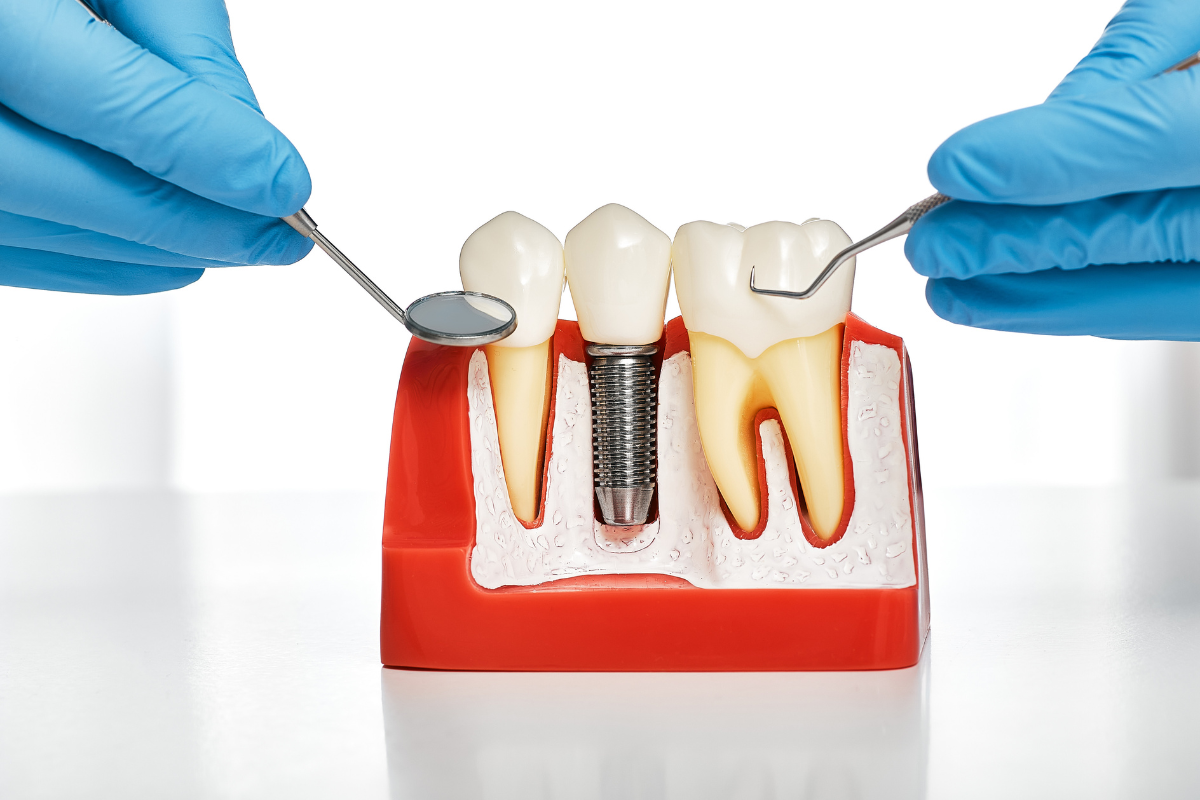
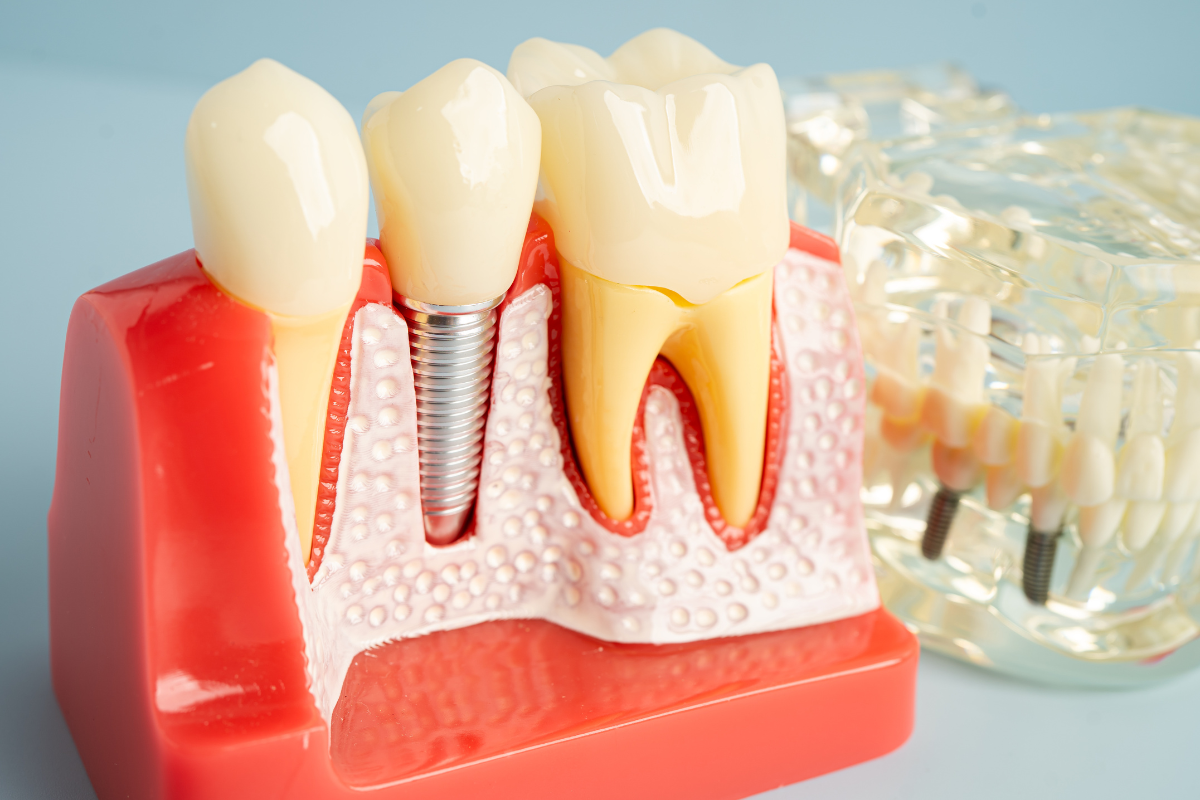
Dental implants are artificial tooth roots made from titanium, a material known for its strength and compatibility with the human body. These implants are used to replace missing teeth and are designed to function just like natural teeth. They consist of three main components:
- Titanium Post: This is surgically placed into the jawbone to serve as the new root of the missing tooth.
- Abutment: This connector piece sits on top of the post, providing a secure attachment for the crown.
- Crown: The visible part of the implant, which resembles a natural tooth and is custom-made to blend seamlessly with your existing teeth.
The process of osseointegration occurs when the titanium post fuses with the jawbone, creating a strong foundation for the implant. This integration makes implants a more stable and durable solution than other tooth replacement options.
The Dental Implant Procedure: Step-by-Step
Initial Consultation
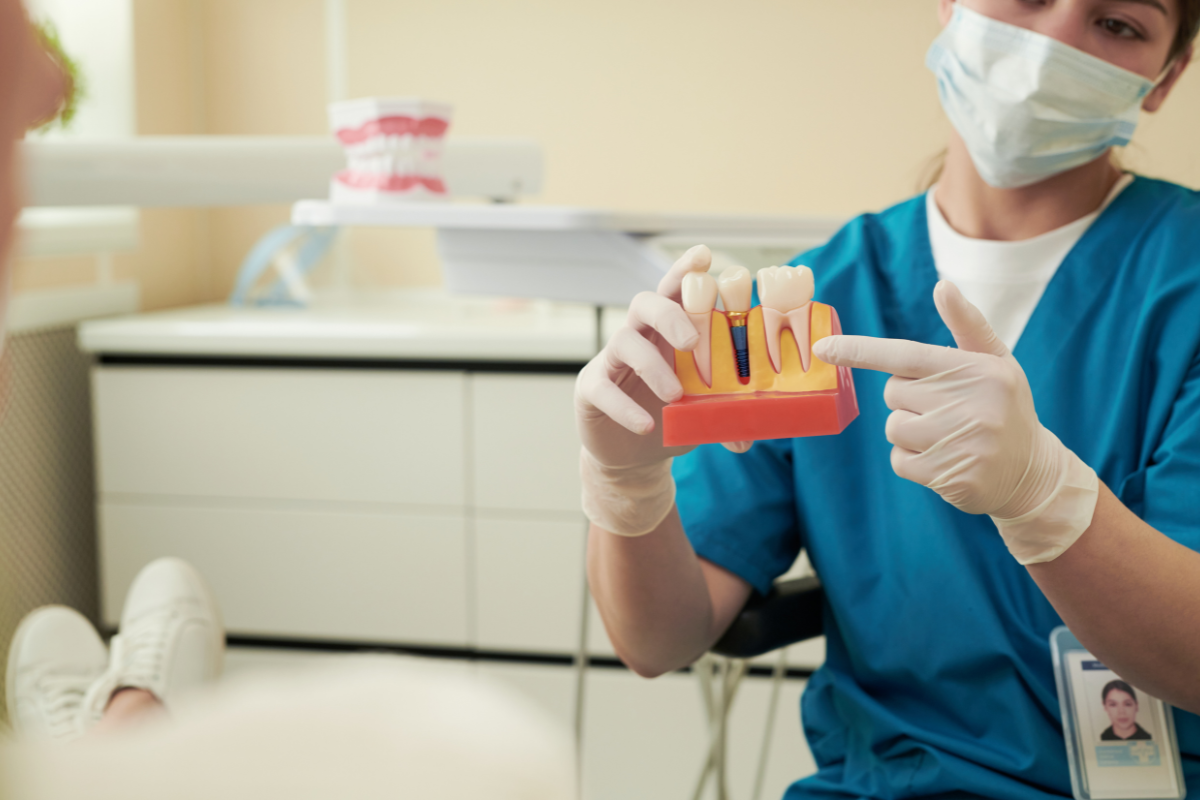
The journey to dental implants in Erdenheim begins with an initial consultation with your dentist at The Schiff & Moniz Dental Group. During this visit, your dentist will carefully assess your oral health to determine if dental implants are the right solution for you.
The consultation typically includes a comprehensive examination of your teeth, gums, and jawbone. Your dentist will also ask about your medical history to ensure you’re a good candidate for the procedure.
To gain a deeper understanding of your jawbone structure, your dentist may recommend diagnostic tests like X-rays or 3D imaging. These images allow your dentist to assess the quality and quantity of your bone, which is critical for determining if a dental implant will be successful.
If your jawbone is too thin or weak, additional procedures like bone grafting may be necessary before proceeding with the implant.
Implant Placement
Once you’re ready for the implant procedure, it typically begins with the placement of the titanium post into your jawbone. This is done under local anesthesia to ensure you remain comfortable throughout the procedure. Depending on the complexity of the implant and the number of teeth being replaced, the procedure may take anywhere from one to two hours.
During this surgical process, your dentist will make a small incision in the gum tissue to access the jawbone. The titanium post is then carefully placed into the bone, where it will act as the root of your new tooth. The dentist will secure the implant in place and close the gum tissue around it, leaving a small portion of the implant exposed.
Healing and Osseointegration
After the implant is placed, the next crucial phase is healing, which typically takes between 3 and 6 months. During this time, the titanium post undergoes a process called osseointegration, where it fuses with the bone. This bond is what gives dental implants their strength and stability, making them a durable and permanent solution for missing teeth.
It’s essential to follow all post-surgical care instructions provided by your dentist to ensure proper healing. During this healing period, your dentist will monitor your progress with follow-up visits to ensure the implant is successfully integrating with the bone.
Final Crown Placement
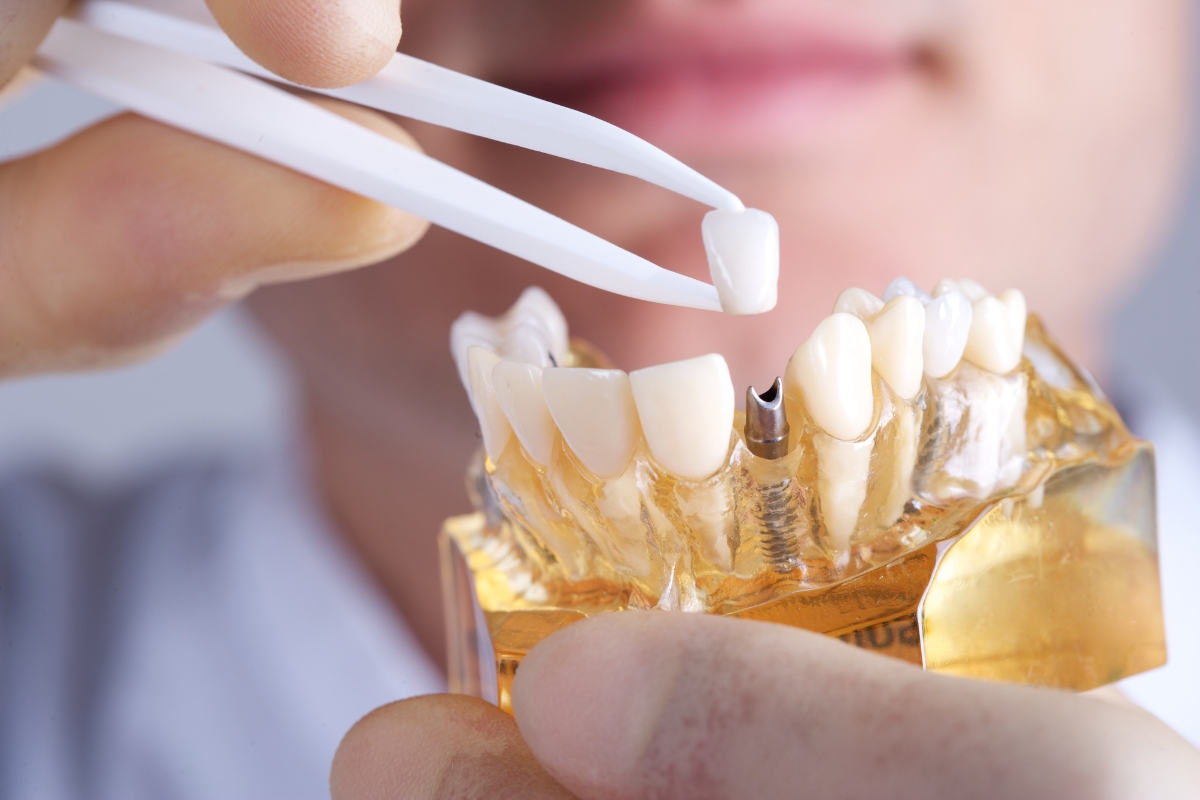
Once osseointegration is complete and the implant is securely bonded to the jawbone, the final step is attaching the abutment and crown. The abutment is a connector piece that attaches to the titanium post, providing a stable foundation for the crown. The crown is custom-designed to match the shape, size, and color of your natural teeth, ensuring a seamless and natural-looking result.
The final crown is securely placed onto the abutment, completing your implant restoration. The result is a fully functional tooth that looks, feels, and behaves just like a natural tooth. With proper care and maintenance, your implant can last for many years, helping you enjoy a beautiful, healthy smile.
Benefits of Dental Implants
Long-Lasting Solution
One of the most significant benefits of dental implants in Erdenheim is their remarkable durability. Unlike dentures or bridges, which typically need to be replaced every 5-10 years, implants can last up to 25 years or more with proper care.
The titanium material used in implants is biocompatible and fuses directly with the jawbone, creating a strong and stable foundation. This permanent solution ensures that, once placed, your implant will function just like a natural tooth, saving you from future replacements and maintenance costs.
With routine dental care, including regular check-ups and proper hygiene, dental implants in Erdenheim provide a reliable and long-term solution to tooth loss, making them a sound investment for your oral health and overall well-being.
Natural Look and Feel
Implants are known for their lifelike appearance and comfort. The implant itself integrates seamlessly with your natural teeth, making it nearly indistinguishable from your original tooth. The crown, custom-made to match the color, shape, and size of your other teeth, ensures that your smile looks natural and flawless.
Not only do dental implants look great, but they also feel natural. Once the healing period is complete and the implant has fused with the jawbone, it functions just like a real tooth.
You won’t have to worry about shifting, slipping, or discomfort, which is common with traditional dentures or bridges. This natural look and feel offer confidence and comfort in everyday activities like eating, speaking, and smiling.
Improved Oral Health
Dental implants provide more than just aesthetic benefits. They play a vital role in preserving your oral health. When a tooth is lost, the jawbone underneath begins to shrink and deteriorate due to the lack of stimulation from the tooth root. Over time, this can lead to bone loss and changes in the structure of your face.
Implants help prevent this by integrating with the jawbone and providing the necessary stimulation that natural tooth roots provide. This helps preserve the bone structure, preventing further bone loss and maintaining the integrity of your jaw. By replacing the missing tooth with an implant, you can maintain a healthier jaw and prevent long-term oral health issues.
Better Functionality
One of the most noticeable benefits of implants is their ability to restore full functionality to your mouth. Unlike dentures, which may slip or make eating certain foods difficult, implants are secure and stable, allowing you to chew, speak, and smile with ease.
With an implant, you can enjoy a wider variety of foods without worrying about discomfort or the risk of the implant shifting. Additionally, implants allow you to speak more clearly, as there’s no risk of slippage, which can sometimes affect speech with dentures.
Whether you’re enjoying your favorite meal or having a conversation with friends, implants restore confidence in your smile and your ability to function normally, just like you would with natural teeth.
Aftercare and Maintenance of Dental Implants
Immediate Post-Procedure Care
After the implant procedure, you’ll experience some swelling and discomfort, which is normal. Over-the-counter pain medications can help manage this, and your dentist may prescribe antibiotics to prevent infection.
A soft-food diet is recommended during the healing period, and you should avoid touching the implant site to prevent irritation.
Long-Term Care
Maintaining your dental implants requires regular dental check-ups and professional cleanings to ensure they remain in top condition. Your dentist will check the implant for signs of wear and ensure your gums are healthy.
Good oral hygiene, including daily brushing and flossing, is essential to prevent gum disease and maintain the health of both your implants and natural teeth.
Lifestyle Considerations
Certain lifestyle habits can impact the longevity of your dental implants. It’s important to avoid smoking, as it can interfere with the healing process and increase the risk of implant failure. Additionally, if you play contact sports or grind your teeth, your dentist may recommend a mouthguard to protect your implants from damage.
Dental implants offer a durable, natural-looking solution for missing teeth, restoring both function and aesthetics. From the procedure itself to long-term care, dental implants can significantly improve your quality of life and oral health. If you’re considering dental implants, The Schiff & Moniz Dental Group is here to guide you through every step of the process, ensuring the best possible outcome.
Are you ready to restore your smile with dental implants? Contact The Schiff & Moniz Dental Group today to schedule your consultation and begin your journey to a confident, healthy smile.
Real Questions About Dental Implants
What is the success rate of dental implants?
Dental implants have a high success rate, typically around 95-98%, making them one of the most reliable tooth replacement options available.
How long do I need to wait for the implant to fully integrate with my bone?
Typically, it takes 3-6 months for the implant to fully integrate into the jawbone before the crown can be placed.
Can I smoke with dental implants?
Smoking can increase the risk of implant failure by hindering healing and causing gum disease. It’s best to avoid smoking before and after the procedure.
Do I need to avoid certain foods with dental implants?
While implants are durable, it’s a good idea to avoid extremely hard or sticky foods during the healing phase to avoid damaging the implant or crown.
Can dental implants be placed immediately after tooth extraction?
In some cases, a dental implant can be placed immediately after tooth extraction. However, it depends on factors like bone quality and the condition of the surrounding teeth.