

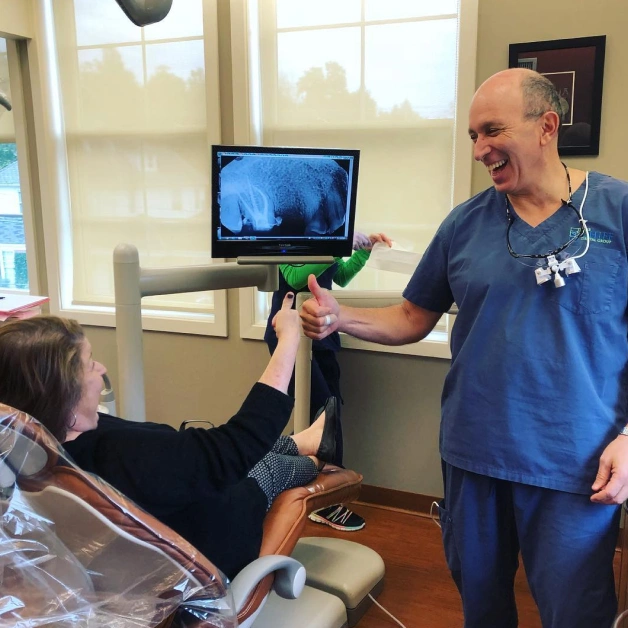
Surgical Care for Gum and Bone Support
Dentoalveolar surgery addresses conditions affecting the alveolar bone—the structure that supports your teeth. Despite its specific name, it encompasses a variety of procedures designed to improve bone health and overall oral function. At The Schiff & Moniz Dental Group, we offer a full range of these treatments. If you are experiencing jaw discomfort or require preventive care, we encourage you to contact us promptly.
Oral Pathology
Accurate diagnosis is essential for effective treatment of oral diseases. Our team includes skilled oral and maxillofacial pathologists who specialize in identifying and managing both benign and malignant conditions. They are highly trained in diagnosing:
- Infections of the oral cavity or salivary glands
- Benign and malignant tumors
- Cysts
- Oral or pharyngeal cancer
- Canker sores
- Oral herpes
Once a diagnosis is made, our pathologists collaborate with our dentists to create an appropriate treatment plan. If further specialty care is needed, we will provide a trusted referral.
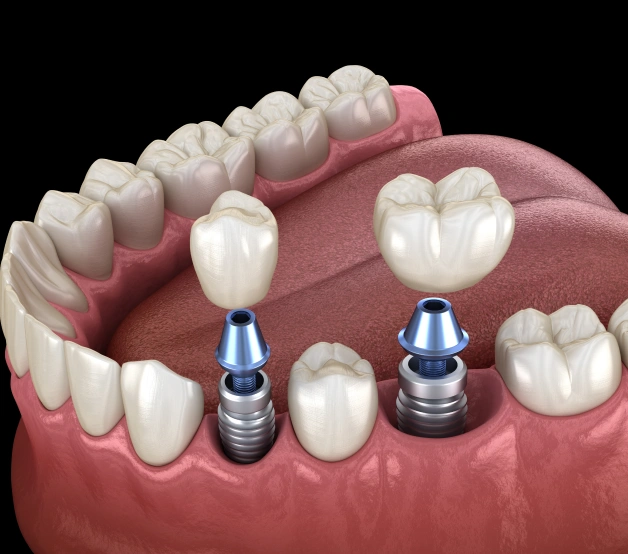
Dental Implant Placement
Replacing a tooth that has been removed due to decay or impaction is crucial for maintaining proper function and preserving your smile. Dental implants are one of the most successful tooth replacement options, with success rates reaching up to 98%. Implants look and function like natural teeth and can last a lifetime with proper care.
Our Pennsylvania dental team— Dr. Lawrence Schiff, Dr. Jill Moniz, Dr. Patricia Sansaricq, Dr. Jill Zurek, and Dr. Reza Hakim Shoushtari —use advanced technology and techniques to ensure efficient, comfortable implant placement.
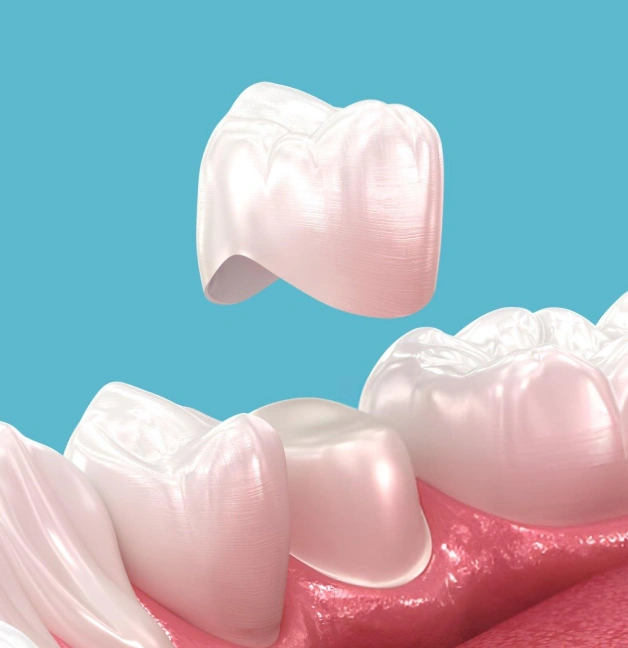
Crown Lengthening
Crown lengthening removes small amounts of gum tissue to expose more of a tooth's surface. Patients choose this procedure for reasons such as:
- Reducing the appearance of a gummy smile
- Exposing fractured tooth areas
- Accessing cavities beneath the gumline
Not all patients are candidates for crown lengthening. During your consultation, we will conduct a pre-surgical evaluation to assess your teeth, gums, and supporting structures. We will also determine the required tooth exposure and ideal gumline position.
This procedure typically takes about an hour, and patients can return home the same day. Afterward, we will provide instructions to support proper healing.
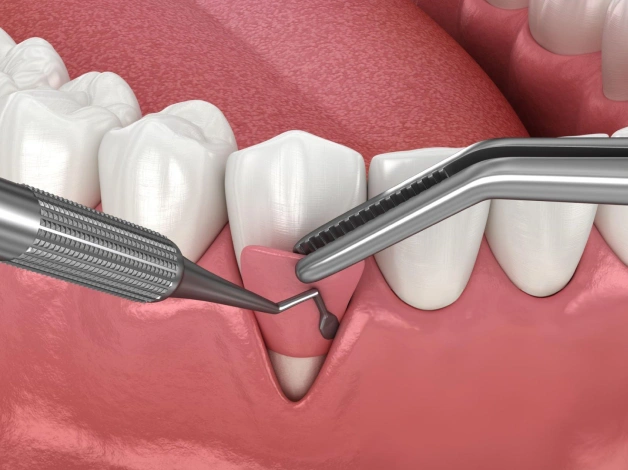
Pocket Reduction
Swollen or bleeding gums often result from plaque buildup between the teeth and gums. Without treatment, this can lead to infections that damage teeth and underlying bone.
Pocket reduction involves gently opening the gum pockets, removing the plaque, and repositioning the gum tissue. In more advanced cases, additional surgical or regenerative procedures may be necessary. Contact us to schedule an evaluation and learn about your treatment options.
Gum Grafting
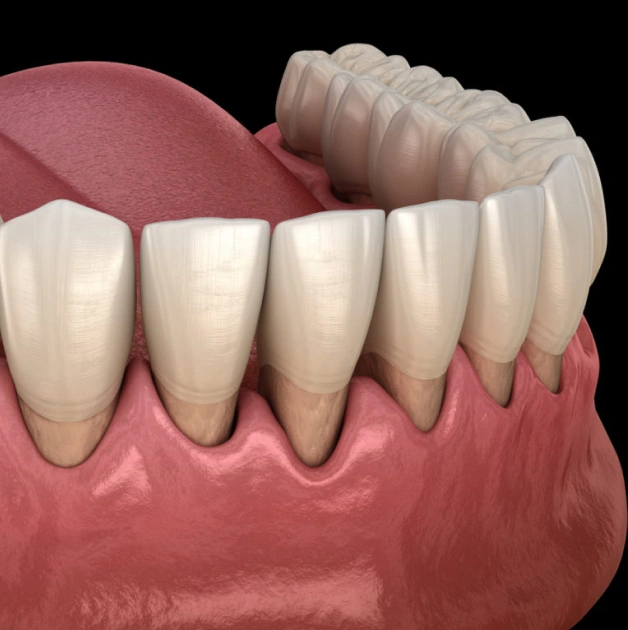
Gum recession exposes tooth roots, leading to sensitivity and potential tooth loss. Gum grafting replenishes missing tissue to protect the teeth and bone. Common grafting options include:
- Free gingival graft: this type of graft is suitable for those with thin gums. Graft tissue, which may be taken from the roof of your mouth, will be attached to the gum area for more thickness. This will increase your resistance to infection and also prevent further gum recession.
- Connective Tissue graft: when there’s tooth root exposure, connective tissue graft is the best option. The graft will be stitched to the gum tissue around the exposed root.
During your visit, our experienced periodontist will determine the best grafting method for your needs.
Sinus Lift
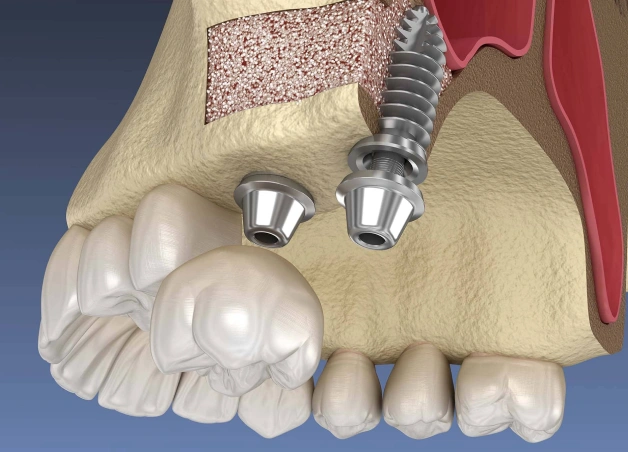
When teeth in the upper jaw have been missing for an extended time, the jawbone can become too thin to support dental implants. A sinus lift increases bone height, creating space for future implants.
Procedure length and healing time vary based on jawbone thickness and other individual factors. Some patients may receive implants on the same day, while others may require a healing period of three to six months. Reach out to us for personalized guidance regarding sinus lift procedures.
Bone Grafting
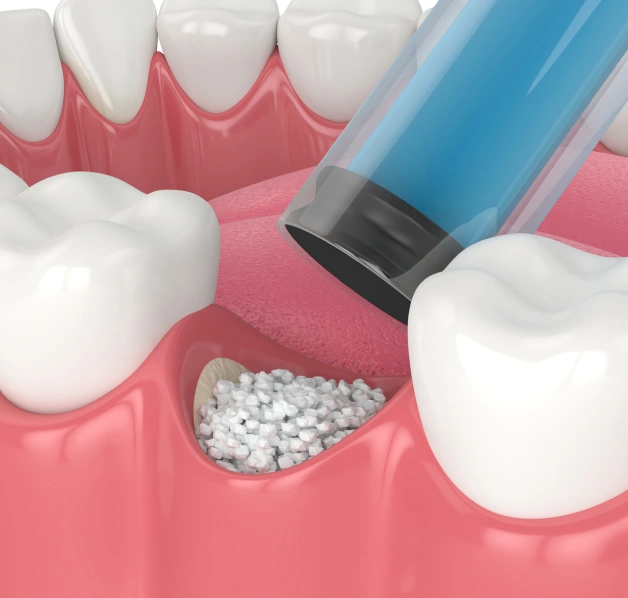
Tooth loss—often from gum disease—can cause the jawbone to thin, making implant placement difficult. Bone grafting restores bone density and provides essential support for both implants and natural teeth.
Before treatment, we will evaluate your jaw to determine the most effective grafting option. Most bone grafts require a three- to six-month healing period before implants can be placed, although minor grafts may be completed on the same day as the implant procedure.
Dr. Lawrence Schiff, Dr. Jill Moniz, and Dr. Reza Hakim Shoushtari offer advanced bone grafting techniques and comprehensive surgical care to support long-term oral health.